Sandy's Written Creations
Writings by Sandra Harrison including poetry, essays, fiction, non-fiction; children's literatire.
White Plains, NY: A City of Contrasts
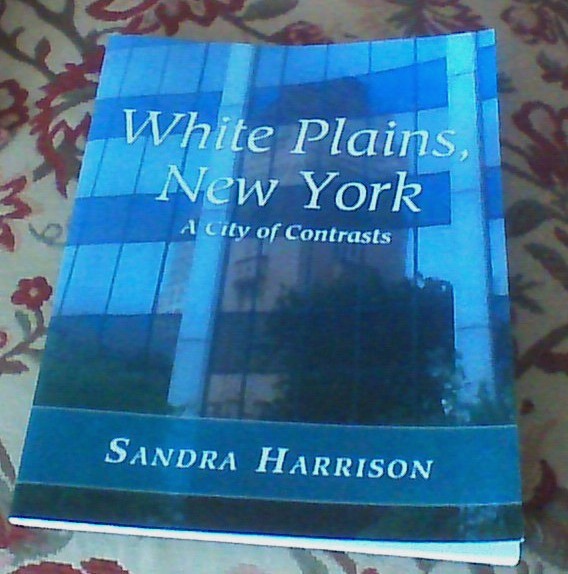
Entry is updated version of 1st 3 sections of White Plains, New York: A City of Contrasts published in 2013.
Remaining updated versions of the book can be found under different titles listed at the end of this entry.
Original Book (soft cover & e-book) is for sale with online venders. Facebook page for book under this title is also maintained by author and gives related info:


CONTRASTS: Today a modern suburb of New York City, White Plains (WP) is best known for its shopping centers, courts & services. Many come for work, study and entertainment. WP has an “urban” vibe offering services usually only available to much larger cities.
In contrast, WP played an important part in the American Revolution. Here NY became an independent state in the summer of 1776 and then in a few months’ time the setting for a standoff between the American Continental Army & the British Empire. Had things not gone as they did, America’s dream of independence might have been lost.
Throughout the city, one can still find remnants from earlier times. Many older structures have been repurposed for a purpose completely different from their original use.

BEGINNINGS: During the early 17th century, WP was home to members of the Weckquaeskeck tribe of the Mohican Nation. Evidence shows settlements on Fisher Hill. Natives referred to the area as Quarropas, which has been translated to mean “white marches” or “plains of white.”
Perhaps the best explanation for the city’s name is that there were once numerous wetlands on which a heavy white mist would often linger. Even though many of these wetlands are gone, mists still hover over the city where the tops of skyscrapers disappear. There is another explanation concerning groves of white balsam but John Rösch dismissed this since there were no traces of the plant by 1874.

A number of old trails used by early inhabitants would become some of WP’s first roads. A number of streets still have Native American origins. Quarropas St is in the business district (BD). Nosband, Shapham and Orawaupum Avenues were named after sachems (tribal chiefs). Kensico , which is used for a number of streets, comes from the English spelling of Chief Cockenseco.

The Dutch, who came to North America following Henry Hudson’s explorations of 1609, set up trading posts, towns and forts along the Hudson River as far north as Albany. The colony of New Netherland was established with New Amsterdam as its center. Due to the high demand for furs in Europe, the colony flourished.
In 1644, the British took control of the Dutch colony renaming it NY after James II, the Duke of York and Albany. The Dutch retook the area briefly in 1673 but this ended in 1674 with the end of the Third Anglo-Dutch War. In 1683, NY was divided into twelve counties of which Westchester was one; the Bronx was part of it. People who came to the county found an abundance of forests filled with trees, wildlife, fertile lands and rocks that were readily available for trade, farming and building. Traders who came to the WP area referred to it as “White Plains.”
Settlers came to the colony during Dutch rule from all over Europe including Scandinavia, Germany, France and Belgium. French Huguenots and Jews came seeking freedom, while Africans were brought as slaves. Under British rule this tradition continued and was part of an agreement made with the Dutch avoiding a hostile takeover. Conflicts though with Native Americans often resulted in violence. Mural taken in Yonkers, NY around 2012 that depicted the meeting between Hudson and Natives of Manhattan (Lenape Tribe).

PURCHASE OF WP & COLONIAL TIMES:
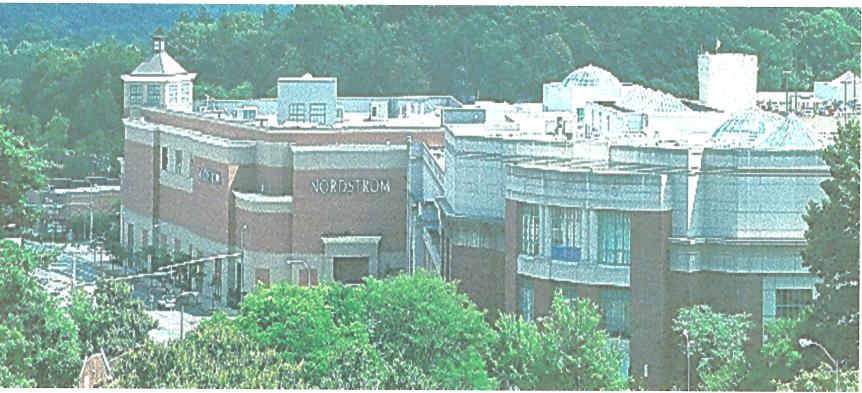
On November 22, 1683, a group of Puritans from Rye bought 4,435 acres of land from the Weckquaeskeck and Siwanoy people. Sale took place alongside a lake in the area where The Westchester Mall is located. On the day of the purchase, WP was considered part of CT and then six days later after a boundary settlement, WP was part of NY.
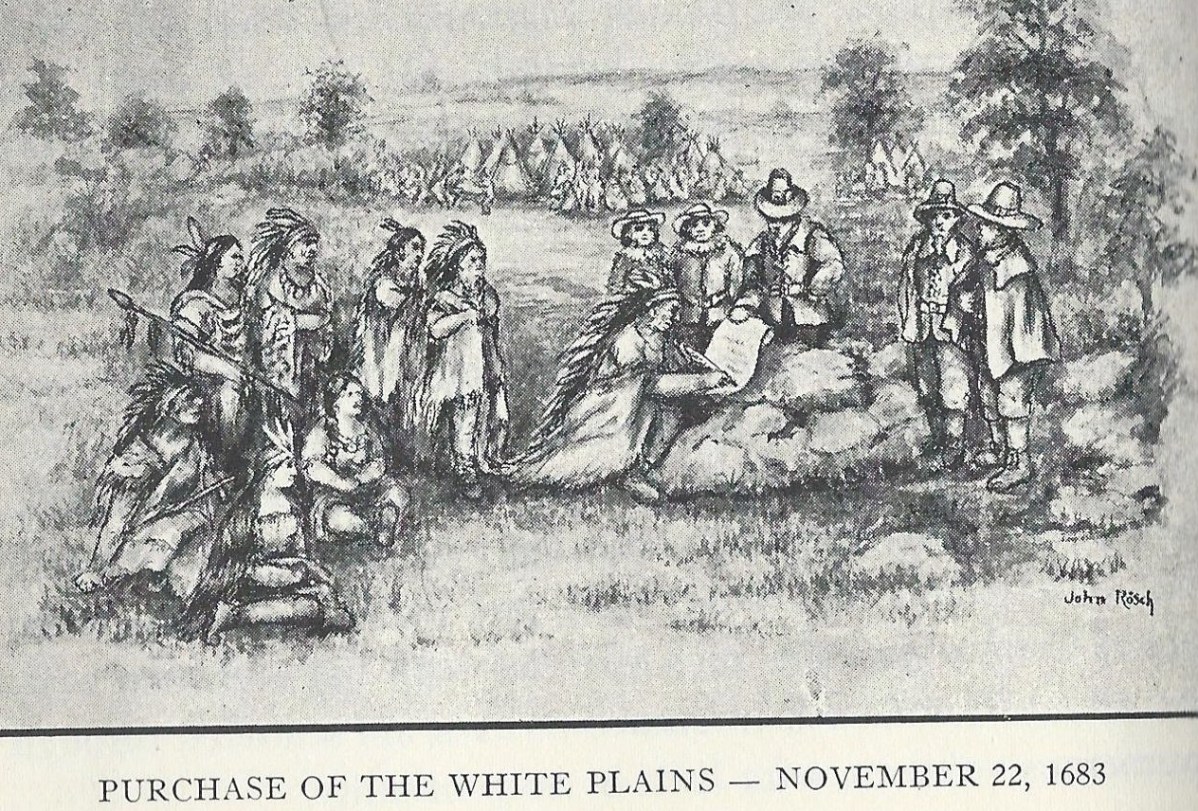
Drawing “Purchase of the White Plains”) by John Rösch (former City historian) illustrates the purchase; is hung in WP City Clerk’s office at City Hall. WP Public Library has a photograph in their digital collection that one can access online that shows the rocks depicted in the drawing. Obviously, there are some historic depictions of Native Americans that are inaccurate in the drawing, but this is what was known at the time about native Americans during Rösch’s time. The Native Americans depicted are more like those in the mid-west (teepees and clothing) or the “plains.”
Soon after the purchase, John Richbell of Mamaroneck made a claim to the same land claiming that WP was part of a much larger purchase he made in 1661 with different Native tribes. John Richbell sent surveyors to the area, but they were driven off. After Richbell’s death in 1684, his claim was sold to Colonel Caleb Heathcoat of Scarsdale but he too failed to reclaim the land before his death in 1706. WP settlers petitioned the Governor of the NY Colony to grant them a royal patent that would give them the rights to the land, but it was not till 1721 that a royal decree was made. The city, though, did not forget John Richbell naming a street after him.
The settlers came from Rye by way of an Indian trail. This road appears on early maps as the “Road to Rye,” but in 1708 it was called “Queen’s Highway” named for Queen Anne. Today, it is known as North Street (St). During colonial times, WP remained a village in the Town of Rye.
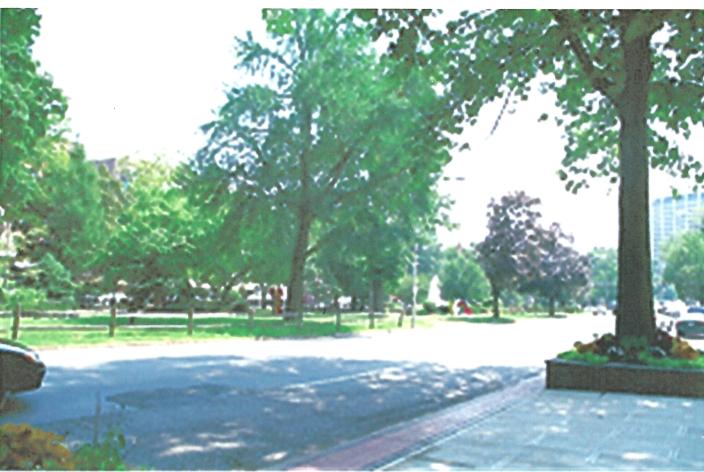
By 1697, the Village of WP was centered along another Indian trail where N & S Broadway are today. By 1734, it was referred to as “The Village Street.” Open space called “the Commons” was designated for residential use by the community. The commons became the center of Broadway and then Broadway Park. In 1898, Charles Tibbits, a community member, founded WP Village Park Association to improve the park that would later be renamed in his honor.
Running through the park, is the Heritage trail with red & blue markers was created by the WP Monument Committee established in 1958; is now sponsored by the WP Historical Society. It is linked to Google maps at whiteplainshistory.org. An original map of the trail that includes different areas can be found on the Town of Harrison’s website (harrison-ny.gov).

Monuments in the park include the Civil War Statue, Christopher Columbus Statue, and the gun for WWI.


In 2009, the routes used by Generals George Washington & Jean-Baptiste Donation de Vimeur, Comte de Rochambeau (of France) during the later part of the Revolution were designated as a National Historic Trail. In 2016 makers were placed in Tibbits Park marking the route that comes through WP. Information about this trail can be found at the website nps.gov/warp/index.htm. Markers like these can be found elsewhere in the area along the route.

………………………..End Notes……………………………………
Other updated sections from book are: WP and the American Revolution and War Remembrances from the Battle of WP, Westchester County Seat and Government, Waterways in White Plains, WP’s 1st Village St, WP Older Houses, Historic Traces in WP BD, Houses of Worship, WP Schools History, Buried in WP, WP Quarry & Farms, WP Historic Businesses & Organizations, Memorials in WP & WP Hospitals. Sources for book are listed in a separate entry Sources for Further Study of WP.
Other entries about WP (not found in the book) can be found on this website are: Demographics in White Plains, What’s in a Name: The Bar Building, Battle of WP video, Art in WP, The Arts in White Plains: Past and Present, Seeking History One Foot at a time: WP’s Walking Tours, where is the Mamaroneck River in WP, What’s in a name? Bloomingdale Rd vs Bloomingdale’s, Presidents in WP, Martine Ave, Coloring for Adults: WP Photos, WP Neighborhoods, Origin of Names of Places in WP, Transportation in WP, How Well Do You Know WP?, Parking in WP, and Washington-Rochambeau Revolutionary Route National Historic Trail as well as many others.
Advice for Seniors and Disabled:
Something that has helped me as a senior is installing cameras around my house and outside.

Got Google Nest that doesn’t charge a service to use them. Cashier in HomeDepot told me about this. Have a camera in my basement that gives me a view of my oil tank so I can see what the level is. This avoids using the stairs that are a challenge now.
Put one in my living room and bedroom along with Google speakers that I can ask the time, the weather and even play music or the sound of the ocean. It is great to have a machine I can just talk to and it will answer my questions without having to find my phone.
Have a camera in the front door area and one in the back that has a view of my car. Found out Con Ed came with the camera since they did not leave a note. They changed the gas cover outside. I also got a delivery that I was expecting to come in 2 weeks. I saw this on the camera before I got the message that the package was delivered. It was raining so I am glad to take it inside before it was soaked.
These cameras are for my use and do not have an alarm but surely, they help me at 72. There are other systems and some that cost a lot of money not just for the equipment but for the services. There is a service from Google you can pay like $60 a yr to add a connection to 911 if you have an emergency and another for $120 a yr for added security.
Other things to help seniors include:
American Redcross putting in smoke detectors at no cost.
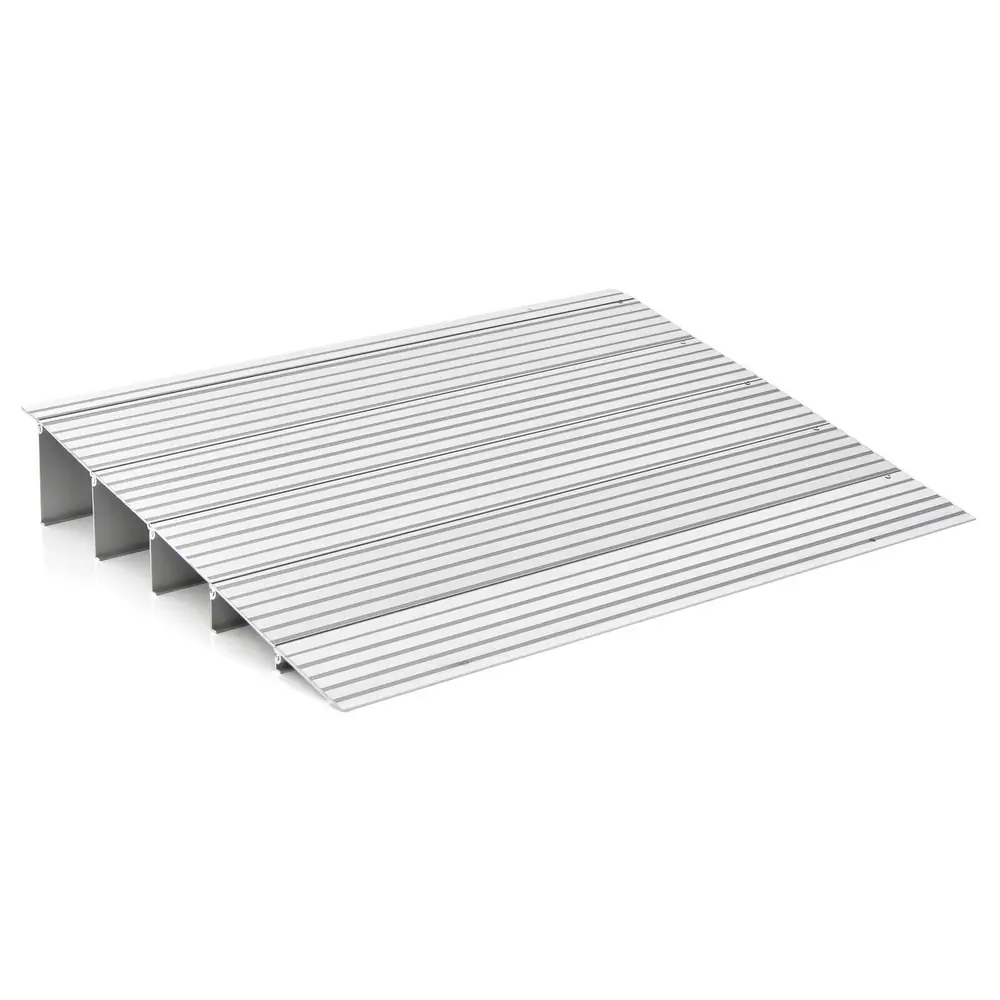
Putting up railings and ramps for areas that have steps.
Putting up solar run night lights so I do not have to change bulbs or use my electricity.

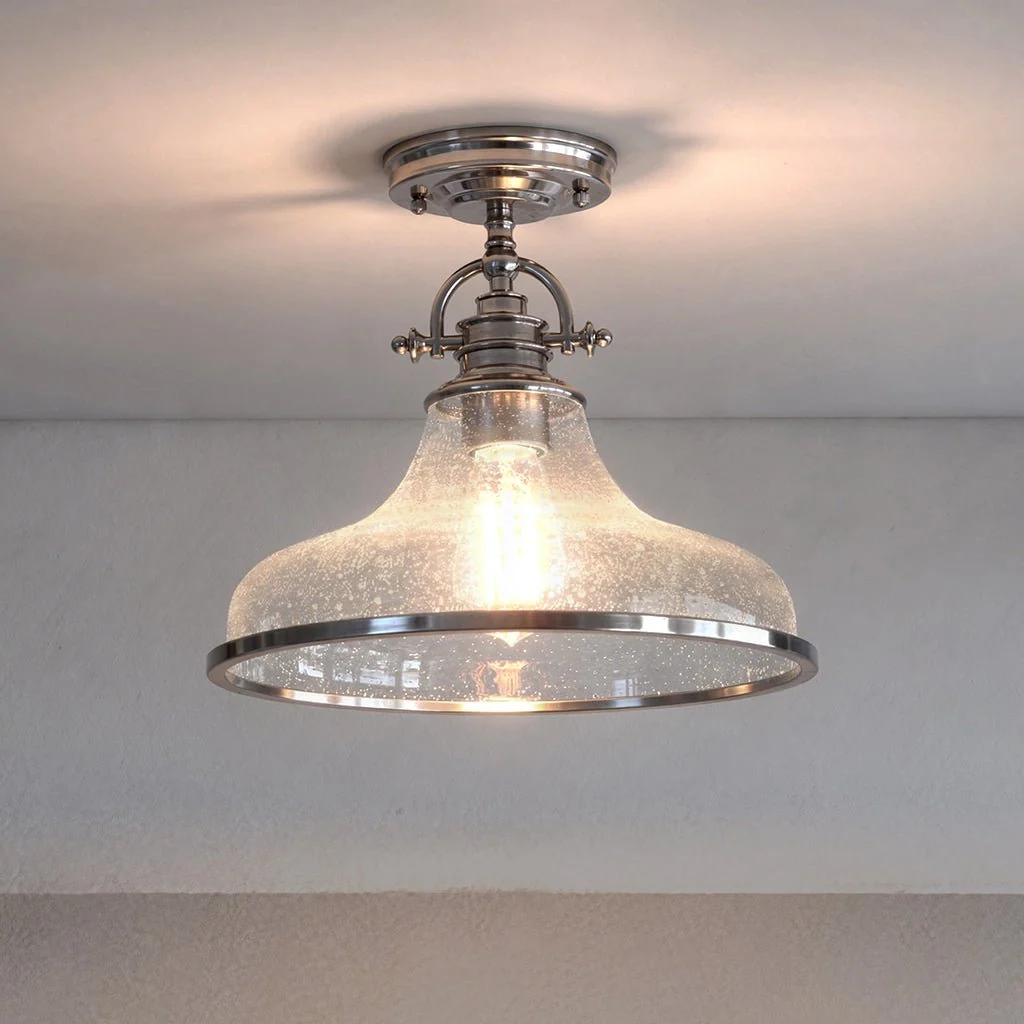
Changing a ceiling light to one that is easy to change the bulb without those heavy globes.
Changing my lawns to eliminate mowing and blowing. Just let back yard go wild and front lawn is now full of plants that will grow to cover much of the space where there is mulch now instead of grass.
Getting a smaller garbage can from the city for the automatic pickups. Big difference in weight and easier to put out.
Using apps for sanitation and parking so I know when to put out trash, recyclables and paper. (www.parkwhiteplains.com) (www.cityofwhiteplains.com/102/Public-Works)
Composting to eliminate food trash that is just smelly as it rots and helping the environment. Use eggshells to help the soil. Collect them after washing insides where the smelly part is and crush.
Mulching yard debris.
Grab bars added to shower and near toilet.
High toilets to replace old ones.

Install an outdoor light bulb that goes off when the sun comes up.
See less
Offerings for Residents in White Plains
For Residents there are many things available in the community that they don’t know about. Might be a good idea to search the city’s website for information not just about our government but about what they city offers to its residents.
FREE things and stuff:
City has a Recycle center offering mulch, firewood, wood chips, topsoil, compost and household items. Some are available for delivery but one must make inquiries. Also at the recycle yard one can leave clothing for recycling including shoes, commingled recyclables, paper boxes and other paper products, food scraps, metals and yard debris. Info is online with hours of operation and alternative pickups at one’s home. There is an app for Sanitation that gives one reminders by phone of what is being picked up on any given day by neighborhood.
TILI Shed has been in operation for many years and people in can drop off reusable items they no longer need and people in the community can take items from the shed for free. Returns are acceptable. The shed operates from April to Oct on Wednesdays (2 to 4) and Sat. (9 to 12). See the city website for more information. Books can be donated to White Plains Library and GreenDrop in (locations.gogreendrop.com/ny/whiteplains/greendrop-donation-center-4636.htmlin) North White Plains will take items for charities (tax deductible) that the shed does not take and operates most days all yr long.
Playgrounds, walking trails, tracks, ice skating ring during the winter, community gardens, swimming pools during summers, basketball courts, tennis courts and playing fields. These are available in White Plains at County and city parks and on school grounds. See city website and country for information: /cityofwhiteplains.com/103/Recreation-Parks. Brochures are available online with offerings for Recreation and city has a newsletter and an alert system that one needs to sign up for. Westchester County offers brochures for seniors. seniorcitizens.westchestercountyny.gov
Automatic garbage cans are available in 3 sizes so contact city for those. Have the numbers on the ones you have to give to sanitation department that are on the cans you have.
Plants/Bulbs: Sometimes plants/seeds are offered at the library through Pollinators organization and Beautification Foundation (bulbs at Court Street Market). There is a seed library at White Plains Library.

White Plains Public Library:
Offers computers, books, study rooms, children’s section, young adult section and other items for free. Free museum passes are also available for various museums in the area. Classes and other events take place throughout the yr.
White Plains Local History can be explored in the local history room on the first floor.
Parking:
See my post on parking and see the city’s website for information about free and paid parking.
Transportation:
County runs buses in the city and MTA runs trains to city and north at two stations and there are rentals available from a number of areas, taxis and other forms of private services for door-to-door rides. Paratransit is also available with options for assessable rides for wheelchaired customers. There is a cost for these services but there are healthcare companies and other organizations that might help with this as well.
Housing:
See my post for more information concerning housing choices in the city.
Shopping/Restaurants:
Art and Exhibits:
White Plains Library has an exhibit room on 2nd floor.
Arts Westchester has exhibits, events and studios.
White Plains Performing Arts Centers has musicals, plays and other events throughout the year and is located at City Center.
There are choices for children as well at other venues and I have a post on this as well.
See: sandraharrison1954.com/2019/03/15/the-arts-in-white-plains-past-present/ for more info.
Finding Housing in White Plains
Looking to live in White Plains (WP)?
People seem to want to move to WP. Today, many are young people in their 20’s and 30’s and then on the opposite end retirees.

WP offers housing from rentals, Cooperative apartments, Condominiums and Town Houses to single family homes in various sizes from a small one or two bedroom to multiple bedrooms on one or two levels. The costs for rentals and ownership vary largely by location within the city center and then in the outer sections. Property taxes also vary depending on local and there is the Star Program through the state along with Enhanced Star Program that gives you back some of the school tax once a year.
The cost of rentals varies depending on where you look. Cooperatives offer studio and 1 bedrooms but 2 and 3 bedrooms are more desirable and the prices are much higher. Cooperatives and Condominium often do not sell as well as single family homes.
Condominiums are costly with not just ownership but with HOA fees (Homeowner Fees). With a Cooperative one is buying the shares attached to a unit with a special propriety lease with maintenance fees that are in part tax deductible because they include a portion of the building’s property taxes. HOA fees are on the other hand not deductible, but the owner of a Condo is the direct owner of their unit.
Both have Boards that hire a management group to run the day-to-day operations. Boards are elected but often are run by people who have their own agendas and controlled by a small group. One has to examine the lease or contracts involved to know what they will be allowed or not allowed to do with or without Board/Management approval. Just to do renovations often there are rules and requirements that one must obtain to do the work. In a cooperative unit, what is within the walls is usually the responsibility of the owner of shares for that unit. Water leaks from other units can cause damage problems for the tenant and dealing with the other tenant in covering damage can be difficult. Some managements in White Plains are better than others and sometimes it depends on who the manager is at any given time. People also do not realize that even in a Condominium the owner might not be able to do whatever they want and that there are restrictions. Often there are rules for deliveries requiring insurance and prior approval along with a lot of other rules and requirements.
Cooperatives were once rentals and buildings might still have tenants that are renting but these units are owned by Sponsors or owners of unsold shares. These apartments are still under rent control, so rents are controlled by Westchester’s Housing Board.
If one plans on having a car, one should learn about the building’s parking availability and rules for Cooperatives and Condominiums. Many buildings charge for use of their lots or garages. White Plains does not allow overnight parking on its streets so having a parking spot is very important. Some buildings give one parking spot and there could be a waiting list for these spots. Then there are spots that are inside and outside and there are often waiting lists for the most desirable spots. There might be spots available in other buildings or in city run lots that require permits. Suggested is to see my post on parking and check with the city website for locations of permit parking and check on availability. Some buildings offer a 2nd parking spot and have guest parking as well but one should ask about this before moving to any location.building.
Cooperatives have rules for ownership and often one must own the shares and live in the building. Subletting is usually allowed but every building has rules and procedures for this.
Affordable or Low-Income choices in White Plains:
City has its share of Affordable or Low-Income choices within luxury apartment buildings. But, there are still rent stabilized or rent controlled units. Housing is also available for low incomes with the Federal Housing Program.
Rent control was established during WWII during the housing shortage. Rent control is an older system established during the post-World War II housing shortage. There are strict limits on rent increases. Tenants are considered permanent and do not require a lease. Rent stabilization regulates rent costs and there is a Housing Board in Westchester that controls these increases. One has a lease. Landlords doing major renovations can apply for increases in rents but must wait for the end of a lease. Rent stabilization allows for small increases in rent per year and are attached to leases by the number of years one choices. is a regulation that permits a small increase in rent per year that’s set by local ordinances. Buildings that have rent stabilized units were constructed before 1974 and have six or more units. These units are available for tenants earning less than $200,000 a year. Note that regulations for NYC are not the same as those for units in WP or even Westchester,
Rent control apartments mandates that the cost of rent must stay the same indefinitely and even if you own a rent-controlled apartment, it’s not within your legal rights to increase rent at the end of a lease term. The tenants of a rent-controlled unit can continue to renew their lease without the worry of a spike in the cost of rent or being given a notice to vacate after their lease ends. There are very few rent-controlled apartments. To qualify for rent controlled units the tenant’s family must live in unit for at least 1 consecutive year. Tenant’s family members (the individual inheriting the rental) must live in the apartment for at least two consecutive years before ownership can transfer to them. The buildings must be constructed before 1947 and occupied by the same family since 1971. Tenants can only pass down their rent-controlled apartment to family members.
Info about Rent Control and Rent stabilization can be found on the county website: Rent Control and Stabilization Laws
Some units include parking with or without fees or provide no parking so one has to look for public parking in an area to be able to park all evening long when WP bans street parking from 2am to 6am daily.
There are search engines for available units and houses that one can use and the City of WP has information about more affordable choices and senior housing on their website. Affordable units are rentals that are charged at lower rates than the rest of the building but there are requirements for these units based on income.
Houses in the city all have property taxes and one is charged for water through the municipalities. Property taxes vary by neighborhood and must be assessed for value by the city. Houses under 1 million sell very quickly and often within a week. Homes over 1 million are taxed differently in NY state and might take longer to sell. There are closing costs involved in a house sale as well as fees must pay to get a mortgage.
Most rentals, Condos and Cooperatives have water and heat included but most require the tenant to pay for electricity. Most buildings require rental insurance.
Alternative Housing (Affordable, Emergency)
White Plains has a Housing Department for Affordable Housing so please refer to their website for information about housing for seniors, people with disabilities and low income. White Plains Affordable Housing Program | White Plains, NY – Official Website. Westchester County has emergency housing for people in need so refer to their website for information concerning housing. Home | Westchester County Department of Social Services. There are 3 shelters in White Plains, one for men, one for women and the county shelter for families.
Apartments are available through the Women’s Y for those who qualify. Women’s Residence | YWCA White Plains & Central Westchester | Women’s Empowerment | Racial Equity | Children’s Learning Center — YWCA White Plains & Central Westchester | Women’s Empowerment | Children’s Learning Center
Search engine for Affordable Housing for state: https://housingsearch.hcr.ny.gov/housing/s/
Rent Controlled or Rent Stabilized Apartment Buildings:
One South Broadway is one of many apartment buildings in the city that are either rent controlled or rent stabilized and the county has a listing.
When actually looking for what is available there are lots of search sites with listings online but for the affordable choices (www.cityofwhiteplains.com/192/Affordable-Housing) or even senior housing (www.cityofwhiteplains.com/724/Senior-Housing-Resources) it would be wise to use city website to get more information:
Low-income choices: www.cityofwhiteplains.com/802/White-Plains-Housing-Authority.
Section 8 Voucher Program | White Plains, NY – Official Website.
See www.cityofwhiteplains.com/726/Housing-Counseling-Agencies for help in your search.
Update: There are waiting lists for Affordable Housing and can’t get through to Senior Housing places but an online service had no listings or available places in White Plains.
Who do you believe these days?
Who do you believe these days?
The American health system is more about making money from its patients than providing the best care. The system feeds on itself by controlling outcomes and these outcomes are not necessarily helping or benefiting the patients in any way..
Having major issues with the care my mother is getting from Calvary Hospice and The Bristal of White Plains.
Finally got through to Mom (aged 95) last night at The Bristal in White Plains an assistive living facility on July 6 where she has been for 5 yrs. She was in her wheelchair after 6 and was by a phone that she picked up though she said she could not hear the ring very well.
Mother is not just on Hospice from Feb 2026 after hospital stay at White Plains Hospital that sent her home a cripple without Physical therapy or the ability to stand or even walk as she did in months prior. She also did not get the pacemaker guy in ER recommended as the family rejected this based on her prior instructions in living will. Mom has been paying for the highest level of care with the NY regulated and licensed Enhanced Assistive Living Care that now costs over $5K per month. Cost went up $1k in Jan. On Monday, July 6, 2026, my mother was kept in bed lying down without a phone to answer or call (she can only dial 0 for main desk in lobby). The Hospice Nurse was in the room for four hours and is paid by Medicare was on her phone talking about her own personal concerns. I had also tried getting my mother on her phone that same afternoon, but no one gave her the phone.
Called Calvary Hospice in the Bronx that night. The Hospice nurses have been telling me my mother has been fine for weeks. She has normal vitals, but no one is addressing her mental state or the need for more diapers. Came on Tuesday July 7 to put a 2nd old phone on the floor so my mother could hear the ring that she told me she has not been hearing since I unplugged the phone provided by Bristal.
On Tuesday July 7, the Hospice nurse called and we discussed the aide and nurse told me that my mother told her that she is lonely and feels isolated. And, she was prescribing something for her to sleep at night. My mother on the other hand told me something different about being alone and not lonely. She has a lot of things going through her head. She is anxious and scared of dying but is scared that when she needs help, she is not getting it.
This all depends on the aides who come to her when she calls for help. She is now paying over $15k per month and the services are not so great. They often leave her room a mess and she has a studio apartment for over $9k a month. Have observed this as well and have complained not just to the facility but to the state Ombudsman who did nothing to make things better. But rather made things worse.She also had a wound on her wrist that she showed me on July 11 when I came for a visit.
Our health system feeds on itself for profits and not always what is best for the patients. Procedures duplicate ones done and often do not tell you anything you didn’t know before.
When my mother was hospitalized in Jan 2021 the hospital made her into a cripple. My mother had fallen breaking nothing but because she was on the floor all night, she was dehydrated and called 911. Her medical alert button did not work and she pulled a phone down from the shelf with the cord. EMS took her to the hospital and this was my mother’s end. They should have given her fluids and sent her home. At that point she was still walking but instead they kept her on a gurney in the hall of ER for like 8 days. As a result she was no longer able to walk due to her age and arthritis. So for just water she ended up with a stay that made her unable to walk.
No one could visit my mother due to COVID and I was hopeless as to what was going on. They did not want to send her home because she was an old lady living alone. But I told them, my sister and I would help her but no they insisted on rehab. To me rehab is just nursing care and when I had to pick out of list, I had no idea that I was sealing my mother’s fate. I selected the Epic and that was a big mistake. At the time I could neither visit any facility or have the proper time to vet these facilities. Epic in White Plains was new and near me but they failed to rehab my mother as quickly as possible. They had no plan and I was helpless in helping my mother who had no cell phone. Even talking to her by phone was a problem and no one really wanted to take the time to make sure I could call her. She kept pulling the cord out of the wall socket. She had to be in quarentine and was isolated. They did very little therapy. The Occupation therapy was helping her dress. And, she went to PT but like for 15 min a day. Everything they promised never happened. She had no dental care or haircare. Sometimes they took her outside, but becuase an aide had to be with her this happened just a few times. She ate in her room and got no exercise for most of the day. She was either in a wheelchair, a regular chair or in the bed. Her condition got worse before it could get better.
Eventually after months she was using a walker. She had used a cane at home. They gave her a regular walker without wheels. Toileting was horrible. They had a catheter in her most of the time.
After finally talking to my mother who I had not seen for 4 months due to Covid, my mother decided to stay in the Epic. They were happy but not me. After 100 days, Medicare doesn’t pay a thing and she was paying $30k a month. Had to find funds to pay for all this. My mother had a lot of IRA accounts, a TSA and a lot of Certificate of Deposits. I had to as POA cash out many of these accounts and it took time because the banks were the worst when it came to using a POA that was like decades old.
In April 202, called a relator who I met at her house in Yonkers that I had been watching and maintaining for 4 months. He told to clear out the house. My aim was to get everything ready for June that was good time to sell. Took me about a month to clear 9 rooms of stuff and a big back yard with problems from one neighbor who encroached on her property, another who has basically abandoned his property and another that were putting yard debris on her property. They even tried putting in a fence on her property without permits that Yonkers required.
Mother had a lot of stuff and backyard was not well maintained even with landscapers who just basically trimmed her front yard bushes by the house and did a lot of blowing of leaves without trimming all the ivy that was a big mess on the front lawn. The upper yard was the worst with trees down and ivy growing up the others. There was no path to get to it that I also had to clear. Had asked a neighbor down the street that had been a childhood friend and was still friendly with my mom.
House went up for sale around June basically as a fixer upper. Asking for 450k. Had lots of interest but it took me 6 months to close out 3 permits from 1960’s.
Meantime, I had done the “Place for Mom” thing and did finally get a visit with my mother. We had to sit downstairs and even one visit outside in front of building right by the busy Church St. In June The Bristal called me and the person of contact said he could get my mother out and provide for her needs for about half the amount she was paying. Got a walker with wheels and with my sister, we drove my mother out of the Epic against their advice right before Independence Day 2021. They even said the walker was too dangerous. And, they were wrong about that. At The Bristal I could visit my mother without appointments, go to her room.
Mom had been pretty independent most of the time at The Bristal in the beginning and she was so much happier. Her hearing situation made it hard for her to hear conversation and she could not see people who were even waving and saying hi. She got new hearing aids and they worked for a bit but over time but she had trouble putting them in her ears and had trouble with the recharger. Found out that people who came into her room were turning off the electricity for the wall socket by her bed where the recharge box was located.
And, then The Bristal kept sending her to the hospital. The longer she stayed the more crippled she became. In 2023, she had to go to rehab and this time I found one in Portchester that only did rehab. They were great with a plan and got her back to The Bristal in 20 days when Medicare covers 100%. Still had to take COVID tests and wear a mask but at least I could visit. They had a plan and she got PT for at least an hour or so each day. Biggest problem was sharing a room and then a bathroom with the room next door.
But going back, I asked for a wheelchair so my mother could manage going from her room to the dining area. But the chair they got did not allow her to wheel herself, so she needed escorts. They wanted her to use Hoyer lift, but my mother rejected it. She was able to go from a chair to her walker for the bathroom and needed to go to the walker to the wheelchair in that order. The Hoyer lift disappeared but not the higher charges.
Every hospitalization was a problem and in 2025 my mother went 4x. The reasons varied but most were unnecessary. But in 2026 Feb my mother’s heart paused and restarted numerous times. They wanted to put a pacemaker in her but this the family didn’t want. Hospital put her on Hospice. Again, she was a cripple but this time no PT was allowed. My mother was no longer able to lift herself and use a walker. Mom had mobility issues, but hospital stays made things worse. It also exposed the neglect that The Bristal was giving her for 3 yrs. She was already at the highest level of care and I had to sign for the Hoyer lift again. But the lift did not go in the bathroom, and it took 3 people to drag her to the bathroom. This was torture putting stress on her heart. Most of the time she would have to wait for over 30 min before someone came to help her and they could find 3 people to assist. Even when it was decided by The Bristal and Hospice that my mother would not use the toilet but do her business in her diaper, the aides were still taking her to the toilet with three people assisting. They would stand in the bathroom with her while she was trying to do her business. This was horrible to watch and gave her no privacy at all.
Imagine doing your business with 3 people standing around you. They also have to change her on the bed tossing her back and forth while she screams and reacts negatively to this. She also would have to be washed on the bed and they stopped washing her hair. Some of the aides laugh during this process and one this Sunday accused me of taking her tablet that each person carries.
Aides leave her room a mess, tossing her clothing, pillows and blankets while dropping toiletries on the floor. They open multiple containers of the same thing as containers got lost in the mess by her bed. Rearranged her room and organized things for the aides to work with her by her bed but they still leave a mess leaving used gloves, wipes and uncovered ointment and lotion in containers by her bed. Once found the cap to deodorant on the floor. Housekeeper comes in and puts bed covers on top of everything, so things get buried. Take pictures. I did ask the Hospice aides to help clean up and put things away but they don’t do anything much.
For one Sat with a BBQ day before Father’s Day, my mother was wearing her nightshirt sitting in the very public Bistro (lounge area). Brought her to the office to show the administration that this was not acceptable. This is all neglect and abuse. They also tell my mother not to call for help and have left the fob call button off her numerous times. I asked Ombudsman to visit but she did little if anything to make things right.
It is the system that put my mother out of her home of 67 yrs. Hospital leaves one in worse condition physically after a stay. All the unnecessary procedures and even surgeries are just proving to me how right I am. And it isn’t always right to be right, and this is true with our Health system.
Had a thickness in my endometrium for decades and had procedures all the time. MRIs and even attempts at biopsis so had a number of DNCs. But after ignoring things and rejecting another DNC, I began to bleed profusely about the time I was clearing out my mother’s house. All signs showed cancer but instead of just doing a hysterectomy, they did a DNC first. This was just a foolish procedure at this point because the uterus should have been gone over a decade ago.
When I had a suspicious biopsy with my thyroid in 2013, they ended up doing surgery. Told doctor to take out not just the half with suspicious nodule but to take out the whole thyroid. This turned out to be a good decision as the nodule was cancerous and I avoided a 2nd operation.
Everyone lies and now dealing with a contractor who is remodeling my upstairs bathroom. He is weeks beyond the 2 he told me this would take and even claimed his van was disabled and left on my driveway overnight. But not only did he not show the next day as promised, the van (that is illegal to store in White Plains on driveways) the van was there till Monday.
But this is not my body or my life. When it comes to you and your body, who are you going to trust to make a good decision for you. Second opinions are a good thing and did this to avoid knee surgery when I had a meniscus tear in right knee. Doctors, hospitals and nursing homes see each of us as the means to not just stay in business but to make more money.
And, then sometimes it is the health plan that requires to first do an X ray, then a PT or CT scan, followed with an MRI, biopsies and then surgery. But then with some cancers, preventative surgeries are done just based on DNA testing. This is done with breast cancer.
Have been under a lot of stress since my mother went on Hospice in Feb. Switched from depression to being manic. Developed migraines and have been dizzy ever since from early morning around 5am till about 4pm.
Then the mice come back big time in March. They also found termites in my garage and then after a painter botched my house job found out I have lead paint not just on the exterior but in the house including all the radiators. I was not given this info at closing.
Had my house tested for toxins and then for lead. Have been tested for that mice virus, Lyme and for lead. Got filtering machines for the dust but there were no toxins.
Don’t trust anyone and look into things for yourself. Do online research and dig till you find answers. All my doctors have not helped me. Finally seeing Neurologist next week after waiting like more than a month.
Sometimes the suggested medicines just cause other problems. Finally, off Metformin with normal sugar results with the injectables. I lost about lbs or more and wearing 1x or just xl instead of 3x. Hopefully I will lose more. I have a hernia from the total hysterectomy. That will take another operation.
I just don’t seem to be able to get a break. Trust is hard to find these days. Lying has become more of the norm and when it matters most, one needs to know facts not fiction.
This is largely unedited but wanted to post this.
Writing and Collecting Children’s Books
Have a collection of Children’s books that I am looking to get rid of. Had them for a long time but now want others to enjoy them instead of just sitting on a shelf. Most still have worth.
Just love children’s books. Wrote a number but only published the one about Saving the Gorilla. Trying to get publishing experience to get a literary agent, I tried to get the article about the Gorilla published with a children’s magazine but after they rejected it, I added the pictures I took of gorillas at Bronx Zoo and made it into a picture book. Actually sold one recently to my surprise on Amazon.
Have written a number of children’s books and even one for teens (When Being Special Isn’t). It began with a Dot can be found on my website. The King of Nowhere, isn’t posted by I wrote it for my Children’s Lit class when getting my master’s back in 1979 and it is based on people trying to find their first job when they have no experience. The King in this tale has no Kingdom but tries his hand of being a King by substituting for a real King. Of course, things don’t go well, and the King of Nowhere goes home feeling like he might just be better off not having a country that might go to war, have a Queen to deal with as well as listening to a lot of subject’s complaints. I even illustrated it but gave the original away to a fellow Art teacher at White Plains High.
It began With a Dot (posted on my website) was written when I took a puppetry class during my undergraduate days at Southern Connecticut during my Junior year. Was also doing community service at an elementary school in New Haven and developed a reading readiness program taught through art and puppetry. I actually presented the story to over 100 people at an event the professors had on using puppetry in the classroom. It was a Grad class, and I had to get permission to take it. I used puppetry when I student taught at elementary school in Stamford back in 1975. I got the placement since I was going to live back home in Yonkers to save Room/Board expenses. Commuted from my home in Yonkers to Stamford every day. It was my last 8 weeks at Southern. I finished my credits for graduation during Dec 1975 though I officially did not graduate till June1976. Took extra courses during each semester of my Junior/Senior year along with summer courses at Mercy College in Dobbs Ferry. Southern allowed those with good grades to take up to 21 credits a semester at the same tuition costs. It saved me money to finish a semester early and I even ended up getting with a job in April 1976 in Bridgewater, Maine before I even officially graduated. I like the King of Nowhere knew I had to have experience to teach in anywhere else, so I took a job no one else wanted. I also thought I wanted to live in Maine, but I had only been to the coast. Never heard of Mars Hill and living there was far from life down state or near the coast.
Reading was something my mother pushed us children at an early age. We could not afford many books though we got some at the grocery store on promotions for little money. We got library cards as soon as we could write our names and were frequent users at Will Library in Yonkers. My uncle Joe worked for a publisher in NYC and sometimes he gave us some books he got from work. I loved this. Owning a book was so important to me. Today I read a lot of Horror and Mysteries and the children’s books I collected were from famous adult writers like Dean Koontz, Jonathan Kellerman, Steven King, Mary Stewart, Toni Morrison, and other famous authors like Sendak. First book I got to know was The Giving Tree by William Faulkner. Read the Sound and the Fury in high school and when I searched the library for other books by the author, there was this children’s book. It was never supposed to be published as it was a gift by Faulkner to his niece. I had trouble finding a first edition but my sister Irene who collected Science Fiction novels, located a copy for me at $75.
Gave people gifts of children’s books but my parents did like the ones I gave them. Gave my father Oh, The Places You’ll Go by Dr. Seuss and my mother the Giving Tree by Silverstein. Mom felt that the book was sad as the tree ended up as a bench. Ironically, when Mom and Dad saw Danny Kaye’s grave at Kensico, Mom liked the idea of a bench on her grave. I have their copies now. My Dad hated his book and maybe it reminded him of his age.
My sister also got me a copy of My Pretty Pony by Stephen King, but I sold that one (it was just too scary for me) when I sold a lot of books on Amazon a long time ago. Used to give retiring staff children’s books. Some were well received while others weren’t. I gave my former boss, Dan Woodard, The Purple Crayon. Woodard would always correct my writings with his purple pen. I gave a group of children stories to a school psychologist, and she was just delighted with this gift since she had grandchildren she could read them to.
Family was always important to my mother, and she was responsible for keeping my father in touch with his many cousins, aunts, and uncles. She got this trait from her mother who had two sisters and two brothers. One distant cousin I never knew I had contacted me on Ancestry from our connection with one of my grandmother’s cousins. Didn’t ever meet my mother’s mother since she died when my mother was 16 and I was born a number of years later in 1954. I also didn’t know my father’s father since he died during World War II. I did post the paper I wrote where I interviewed my living grandparents on my website.
My niece used to go through my parents closets when she visited and she found the paper I wrote along with the recordings I made. She used my paper as a source for an assignment she was given about her ancestors.
Like the King of Nowhere, most school districts back in 1975 wanted experienced teachers. Friends from college who ended up going to Ohio for work to get that experience. One came back and got a job where she grew up in CT. She is of course retired. Another ended up getting her masters in the Gifted from Columbia University and got a job in Norwalk. She too has been retired.
I have other collections, but this one was dear to me with my connection to children’s books. I taught many students how to read and gave them choices in selecting books to read during sustained silent reading that I had twice a week.
Photographer Sandra Harrison
During my teaching years, I took a lot of pictures but during my years at White Plains High School I took many pictures of students playing sports over a ten-year period or so. I made the pictures into collages and gave away many pictures to students. I blew up some when a student asked and the pictures were used by coaches for teaching, by the school yearbook and paper and the district in their yearly calendars.
Took a few classes in black and white development and got a really nice camera that allowed me to take fast moving pics.
Tried to go to at least one game or event for every team during the three seasons. Not using a flash was a challenge and once got yelled at by judges at a swim meet when my flash went off by itself. Basketball was one of the harder ones to film due to the fast action and swimming where things were often dark. Found wrestling to be the most boring to watch.
This is my favorite picture taken in 1993 of the Varsity Basketball team. I titled it “Read” since there was a girl there reading a book during a time out. Did not see that very often.
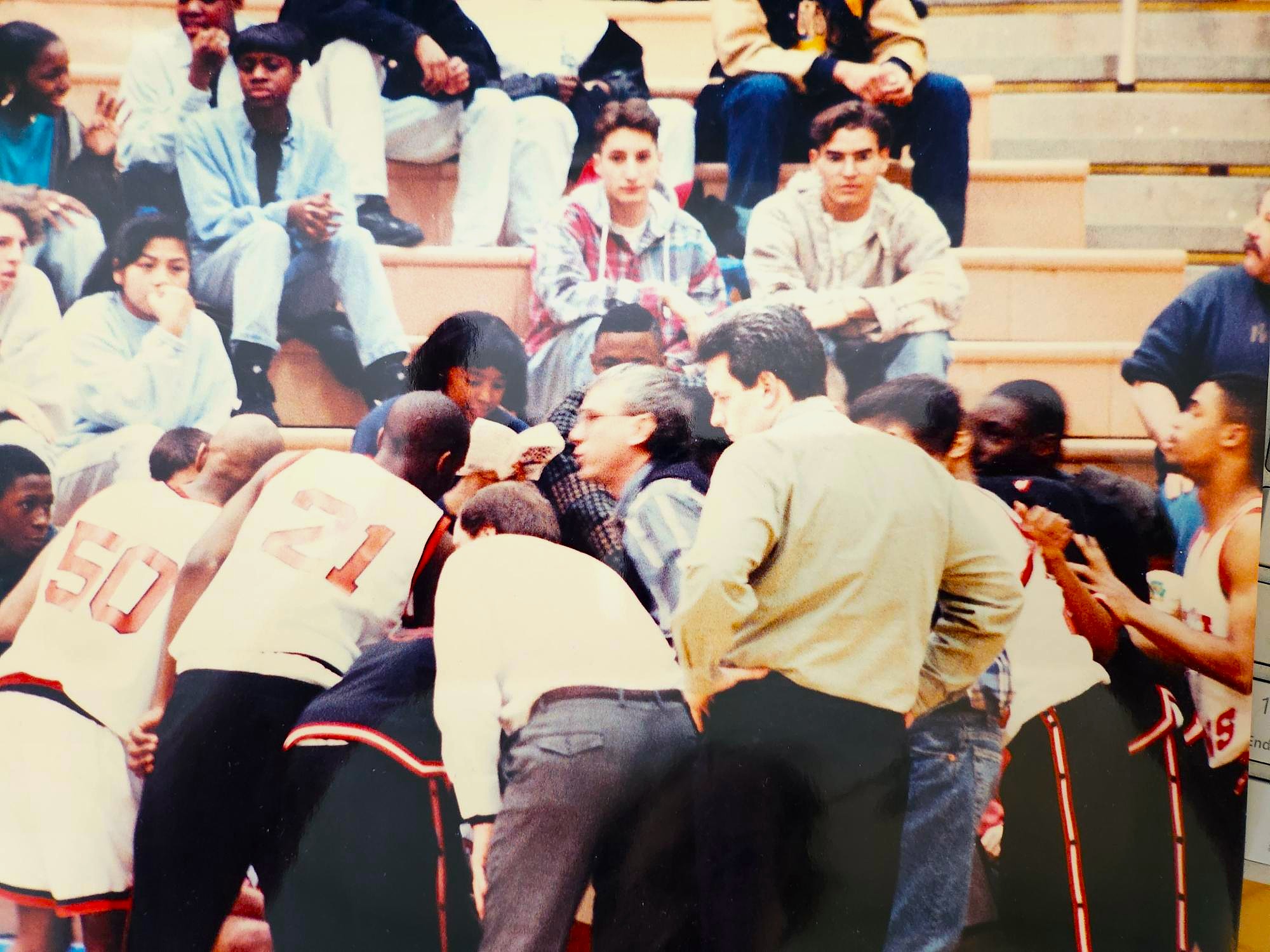
Here the others were either talking to each other or were listening to the coaches give directions to the players. Didn’t notice the girl there till the photo was developed.
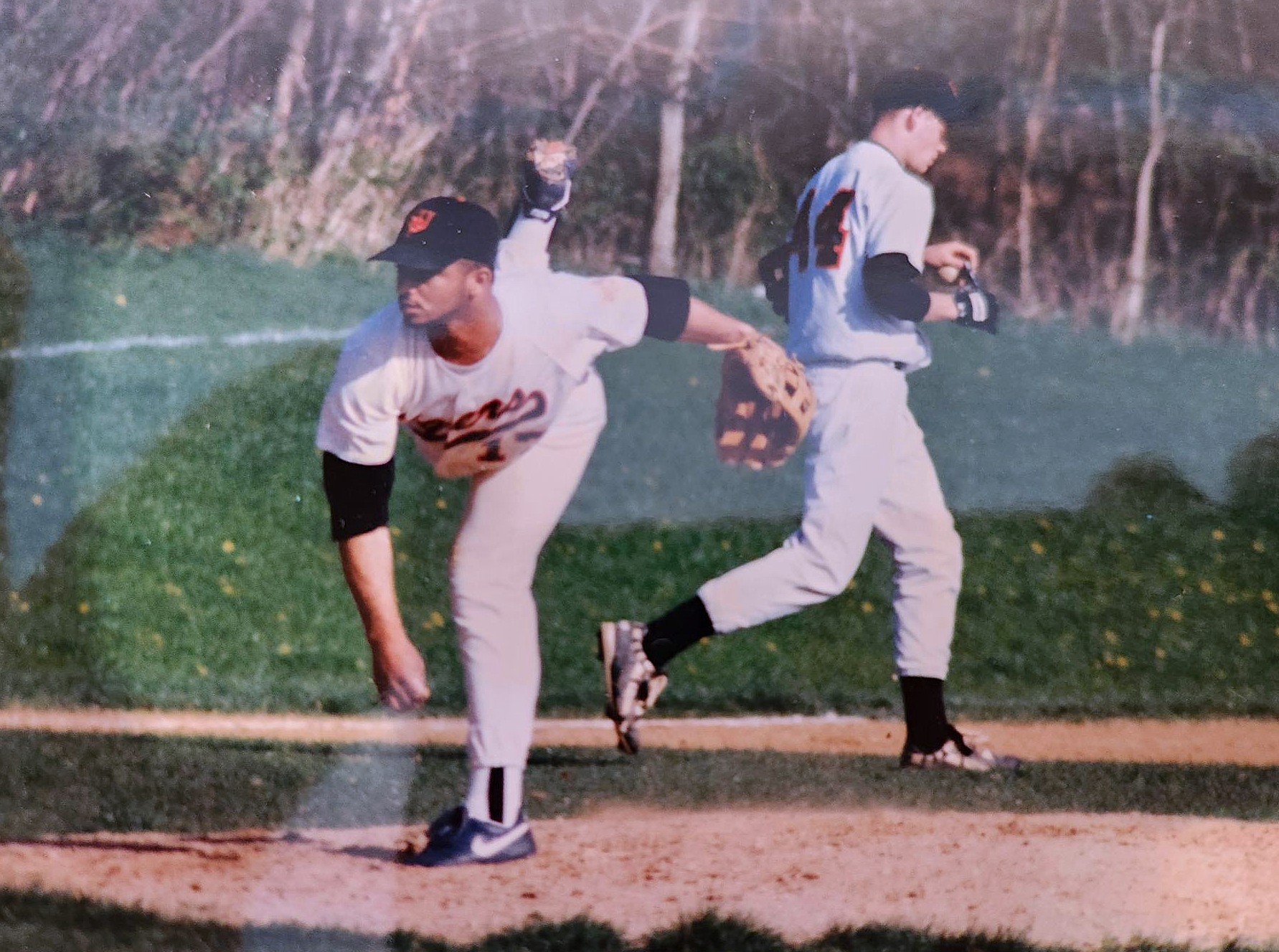
Varsity Baseball 1990’s
I Could Die Tomorrow
I could Die,
And it could be sooner than later.
My First & Last Camping Experience
Only once did I ever go camping. It was the 60’s and I was with my girl scout troop. We went on a camping trip to somewhere in upstate NY. Those two days turned out to be pure misery, and this experience has stayed with me till this day. And, as a result, I never ever went camping again.
I don’t remember the year, but I think it was during elementary school when I was old enough to go places on my own. My parents dropped me off on a Saturday morning. Don’t remember exactly where the bus took us, but it was outside Yonkers in some place upstate where there was a campground.
The experience started off poorly before I even boarded the bus along with a bunch of other girls my age. This woman who had a strong sense of authority stopped me before getting on the bus. She chided me and told me that my bedroll was not properly done. She then made me reroll it up and gave me directives in a loud enough voice that everyone took notice and watched. I had a bedroll made from a blanket that contained all my toiletries and things I had packed for the trip. I did not have a store-bought sleeping bag like most of the others because my family didn’t have one at the time. This moment was embarrassing, and I was close to tears.
After the bus trip, we were given tents to set up for that night. I had never slept in a tent before, and I ended up being given a 6-person tent that another girl in my troop Wendy Z and I would share. It was another first-hand experience; I would have that weekend. It took us a bit to assemble it, but it ended up being the only good thing that happened to me that weekend. With just the two of us, we had plenty of room to sleep which was unlike others who had those single pup tents.
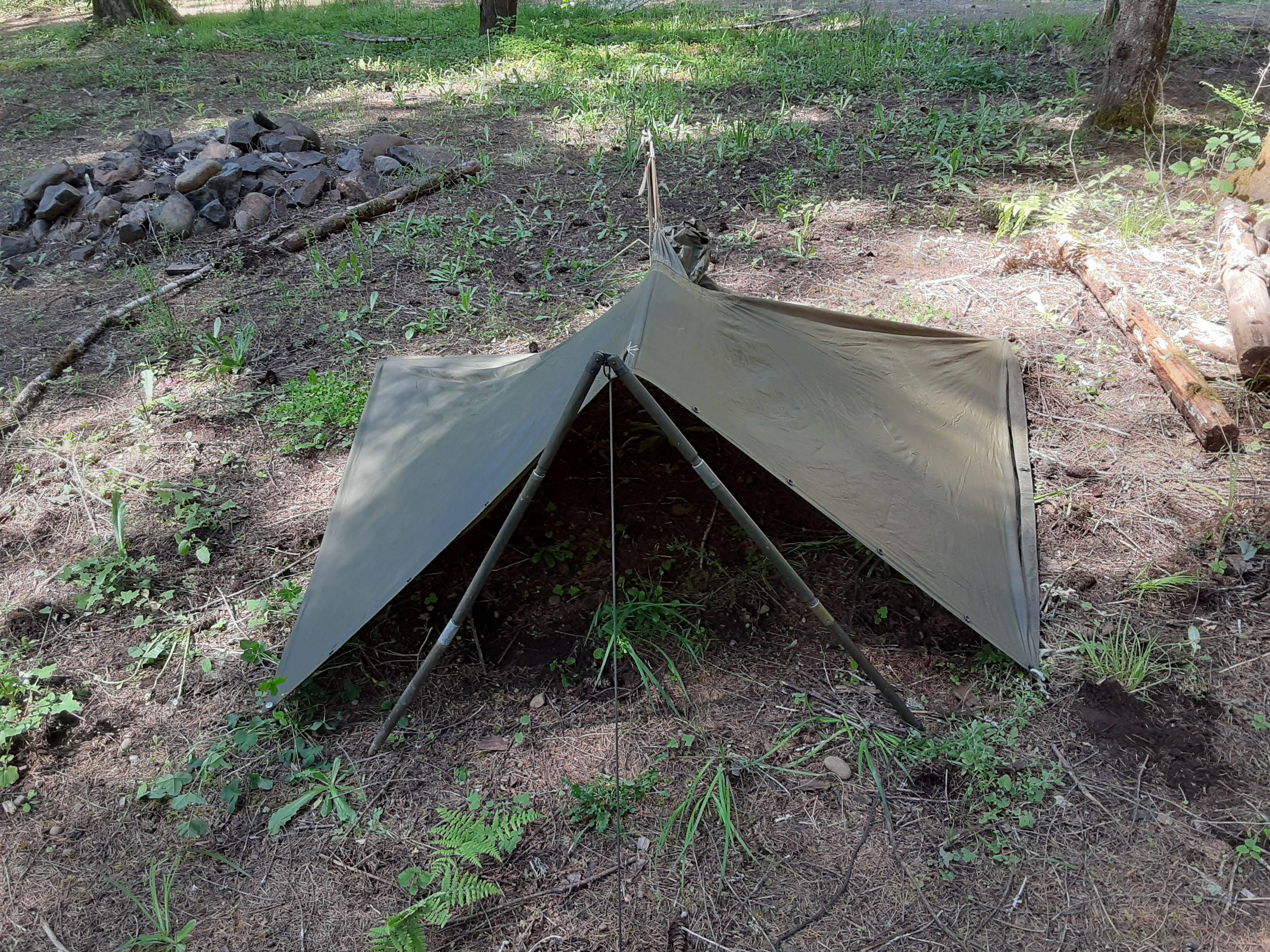
I don’t remember much as to what we did during the day but all the food that we were served was burnt. The people assigned to this task had no idea what they were doing. I remembered how my father used to barbeque and everything would be perfectly cooked. When I saw the aluminum foil chicken and corn placed directly on a huge pile of coals, I knew things would not turn out well. I didn’t see anyone watching the fire and all the food on the coals ended up being burn. And, then for breakfast the next day things weren’t much better. The pancakes we got were also burnt though they were cooked in an open pan.

Then there was the worst of the worst experience, the latrines. On the first night I had to go to the bathroom. We had flashlights to get there. The latrines stunk profusely and were so full of flies that after I did my business, I ran out of the building as fast as I could. The other girls were also having a bad experience, and one could hear it in their voices. I had never ever used a latrine before, and I never dreamed of this as the way to do my business. After that night, I didn’t go back there and didn’t go for the rest of the trip.
When I got home, the first thing I did was run to the bathroom. My mother who was in the backyard of our home saw me come home Sunday afternoon. But I didn’t even stop to say hello and ran inside to use the bathroom. When I came out to talk to my mother, she seemed to know that something was wrong.
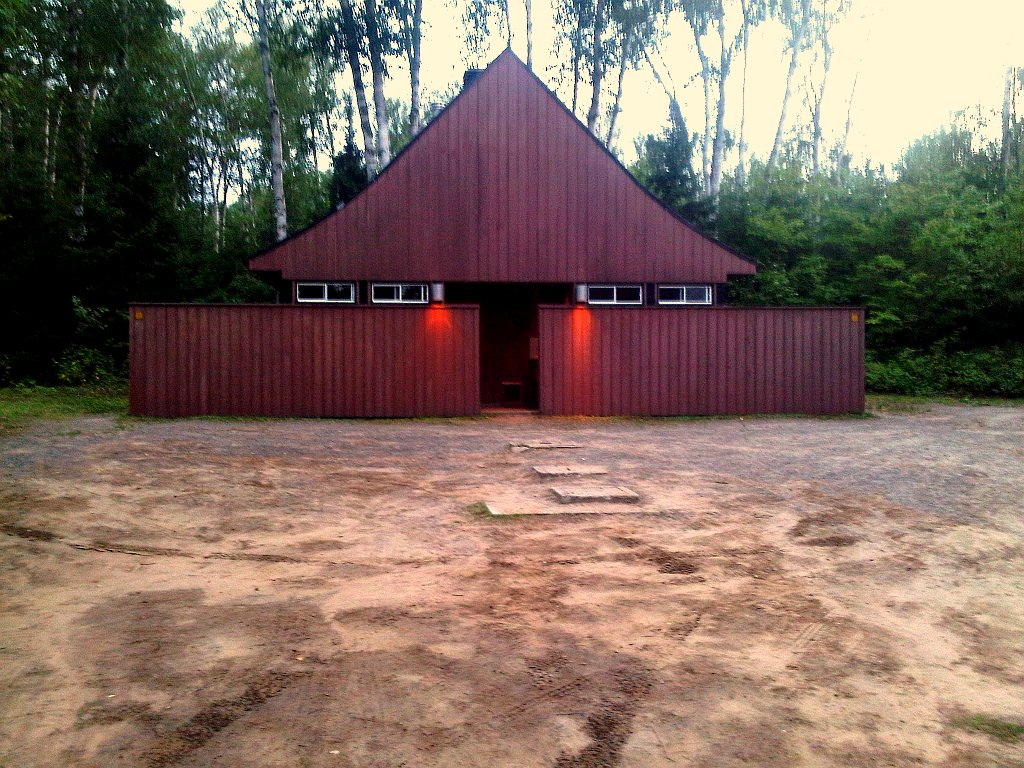
As a child and then as an adult, I hiked in many different places, but never ever would I think about staying overnight in a camp again. Having a toilet that flushed was very important to me. I did have experiences with porta potties for single use from time to time but truly when I could I preferred to go in the woods squatting down to do my business.
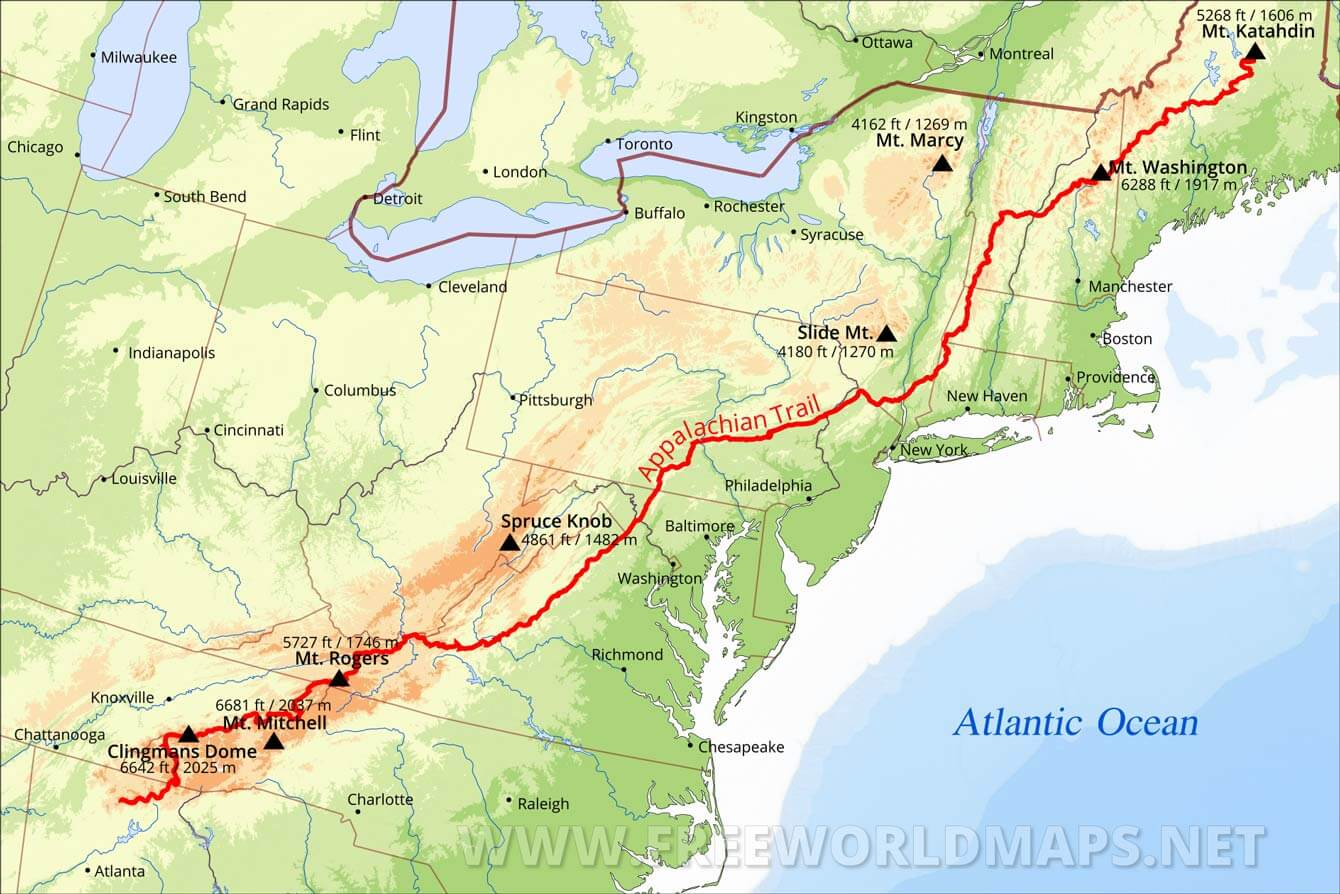
Once as a member of Westchester Trails (Association). I heard a lecture by a young man who had hiked the full length of the Appalachian Trail. It was when he showed us the bars on the shelters in the Smokies that were used to sleep in that I knew I wasn’t cut out to be an overnight camper. The bars were to keep the bears out and one had to string their gear onto tree branches hanging out from a limb at night as well. I did hike the Appalachian Trail at various places in NY, NJ and CT but was just a day tripper.
As for bears, I did get my first and last encounter with a live bear when I was living in Mars Hill for 18 months from April 1976 to July 1977. Small brown bear sped across Rt 1 when I was driving with a friend to Baxter State Park. The bear went across the road just north of Houlton. If I didn’t have someone with me in the car, I might not have believed it really happened. I had to slam on my brakes while praying that I would miss the bear and that the 19-wheeler hugging my tail would not hit me. We were going to visit a friend at Baxter State Park who had a camp nearby. We only saw a silver fox in the park though I thought we might encountered a Moose.
I did go to the Smokies as an adult on a trip to North Carolina (NC)and made a point to go on the Appalachian trail at the border between NC and Tennessee. Lucky for me I never saw any bears then either. I am not fond of large wild creatures except for deer that I was used to seeing on hikes.
White Plains Historians, Archivist & Enthusiasts
White Plains (WP) Historians:
John Rösch (1854-1949), born in 1854 NYC, was historian for WP and came to White Plains (WP) in 1874, He was a photographer, artist, cartoonist, author and illustrator who had a shop on the former Railroad Ave (now Main Street). He was author of a number of books about WP.
Renoda Brown Hoffman (1909-2005) was WP historian and wrote many books about the city including the Battle of WP. A clock in her honor can be found in Tibbits Park.
Archivist:
Elaine Massena, WP Archivist Elaine Massena, is a longtime resident (over 35 yrs) active historian and also worked at Westchester County archives in Elmsford, where she was the principal archivist. Massena was recruited in 1994 by the WP City Historian Renoda Hoffman to help her organize and house her extensive collection of WP materials She recently published White Plains in the 20th Century with Ben Himelfarb (former librarian WPPL). They gathered 200 photographs largely from the collections of artist/photographer John Rosch (1854-1949).
Other WP Historians (unofficial) Come Across With My Own Research:
Erik Pleska: Writer of various books about Buckout Road in Harrison and WP. Link: Buckout Road – America’s Scariest Street Westchester County NY – hauntings & urban legends –
Ben Himelfarb (former History Librarian WPHS). See Local History under WP Public Library website for some of his work.
Clifford Blau (did a study of the names behind the streets of WP) Link: https://whiteplainslibrary.org/2016/03/street-maps-and-family-pictures/
Rev. Jeffrey A. Geary: Ordained in 1996 to serve historic Setauket Presbyterian Church (home of George Washington’s Spy Ring). Was pastor of WP Presbyterian Church for 12 yrs and is now with Cornwall Presbyterian Church. He has an interest in history and has posted things that involve WP. Link: Local Heritage | revgeary


VOTE AMERICA
Posted on May 18, 2026 by sandraharrison1954
Leave a Comment
America doesn’t work when people don’t vote. So if you haven’t voted or will be turning 18 soon, see http://vote.gov to learn how to vote.
People who think they are registered to vote; check with your own locals to make sure you haven’t been taken off the rolls.
Make sure you know where to vote and make a plan to get to the polls or apply for absentee ballots if you can’t be there in person.
Be prepared for long lines and have ID and proof of citizenship just encase states send National Guardsman to polls along with ICE.
Talk up voting to your friends and family and persuade those who aren’t voting to do so.
If everyone voted, this nation would be a very different place. Elections have consequences and apathy is killing our Democracy and Constitutional government. Vote at every level of government and learn about the candidates to make sure the people you vote for share your values and will fight for the things you want.
VOTE!
Share this: Sandy's Written Creations