Sandy's Written Creations
Writings by Sandra Harrison including poetry, essays, fiction, non-fiction; children's literatire.
Complicated: White Plains’ Four Masters

The four governments (Federal, State, County and City) in White Plains that operated agencies, offices, courts, parks, roads, housing and even the waterways all complicate the running of the city. Governments are huge bureaucracies that have elected officials who bring in cohorts to become department heads with their own agendas. Often these heads are men who protect their domains by discarding criticism and input from the public.
Often my calls/e-mails/letters go unanswered and are passed on to those with little power to enact change. When speaking to some of these government heads, I often feel like they don’t care and get treated rudely. I recently called the Transportation Commissioner’s office and was told me that I was not listening to him when he was talking. He kept cutting me off. I called to voice my concerns about recent traffic lanes marked in the city and not to listen to a bureaucrat who spoke to me like I was a child. The Mayor called me months back after I told the woman who answered the phone in his office that he never responds to my correspondence.He was timing me and complained that I was taking up too much of his time. I am surprised he didn’t send me a bill like a lawyer does. And, still nothing happened to correct the dangerous construction sites that I was complaining about.
Often the government has long time employees that are left to do their jobs without much oversight or regulation. And, when out in the public they blatantly disobey city, state or national laws. City workers including law enforcement personal have been seen by me smoking in prohibited areas, driving through red lights, making illegal turns, parking in crosswalks, using hand held cell phones while driving, and texting while on duty.

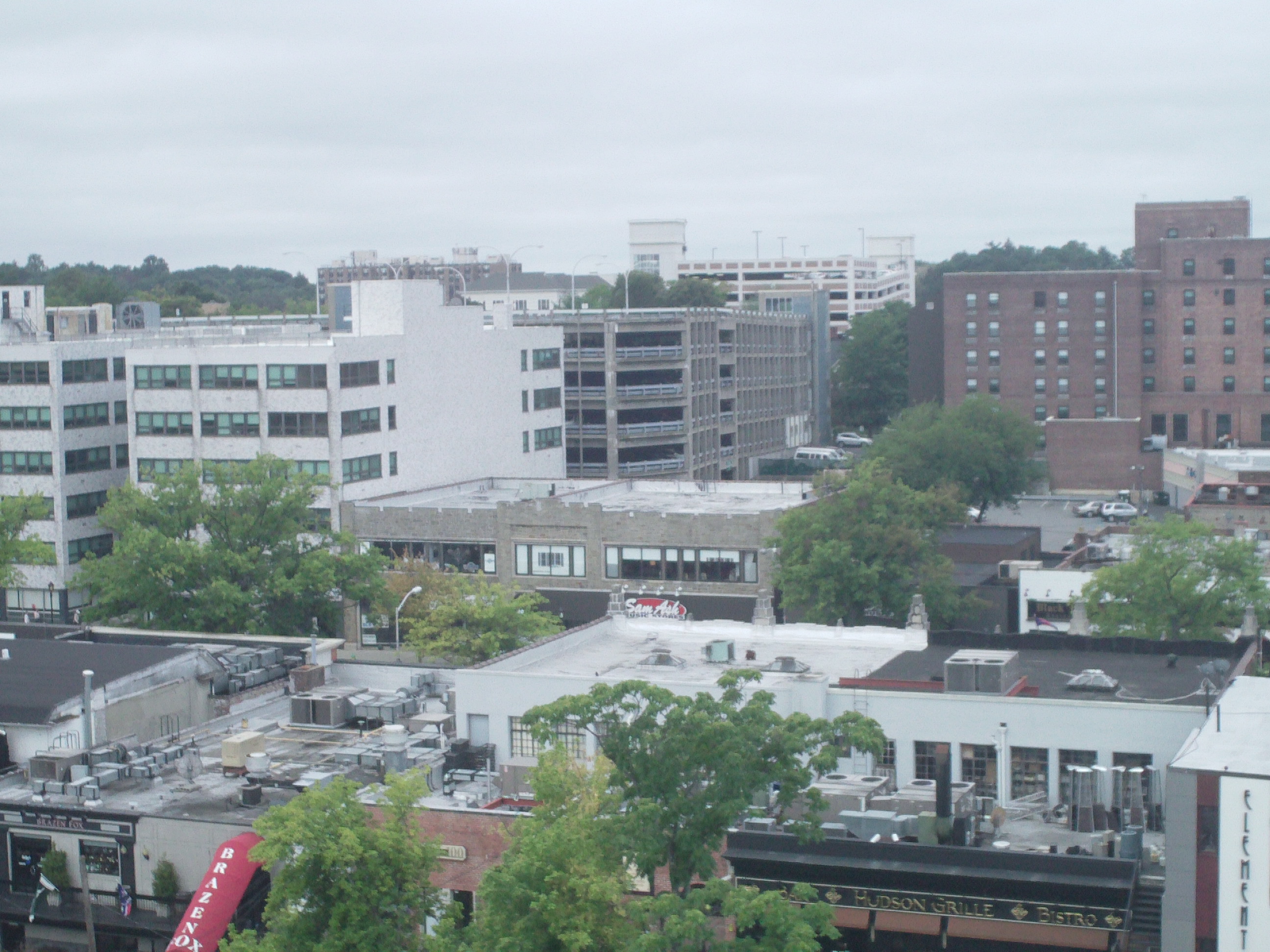
Views from Newest Lyon Parking Lot in White Plains
Views from the top level of White Plains’ newest parking garage. Great addition to the city that needs more parking spaces.


White Plains: The Good, the Bad and the Ugly
White Plains has a lot going for it with a walkable downtown to shops, movies, the theatre, the arts, sport centers, restaurants, medical centers, businesses and government offices and courts at every level: Federal, State, County and City. Home to residents with a choice of houses, condominiums, co-ops and rental apartments at all income levels. Also, home to religious organizations/centers/schools, private schools/colleges, as well as other organizations/agencies serving the local community and beyond. The city is a transportation hub for New York City, Westchester/Rockland County, Connecticut and the rest of the state by auto, bus, train and airplane. But, at street level one can find many problems that need to be addressed for safety and health reasons and to keep the city going.

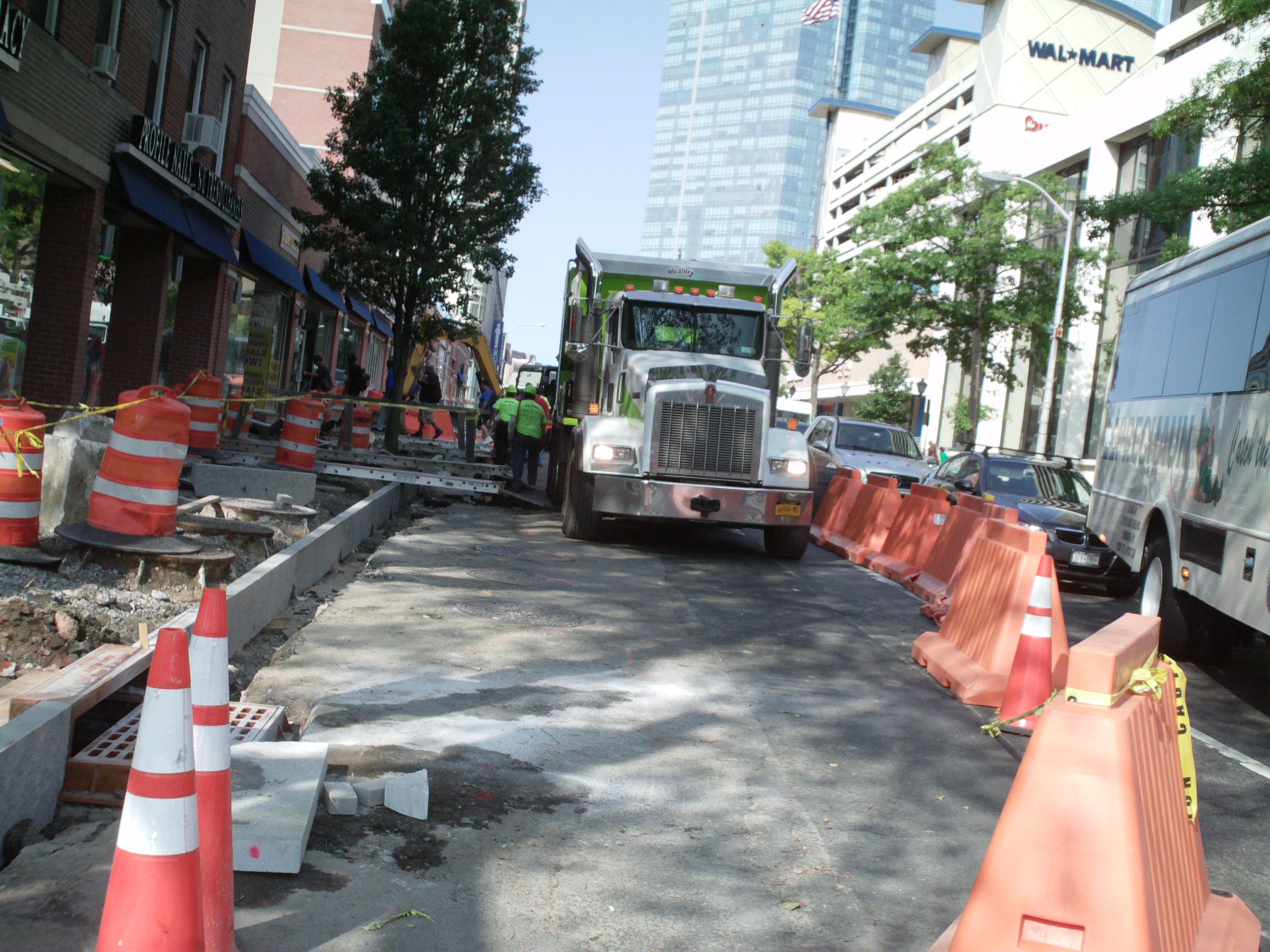
Summer 2014: Construction area on Main St going on for over 3 years for Cambria Hotel Suites. Area shown is walkway for pedestrians during the sidewalk construction. Pedestrians were expected to walk between trucks and the orange barrier. The hotel is going up at the former A&P store site. Hotel opened but area is still under construction with a number of restaurants and Planet Fitness. They banned me from FB for Hotel when I complained and said they should offer people in area who put up with construction free drinks and discounts on rooms.
Benches in White Plains, NY
Benches I paid over $4000 were purchased by City of White Plains to replace the old no longer maintained Anderson Parklet (1971).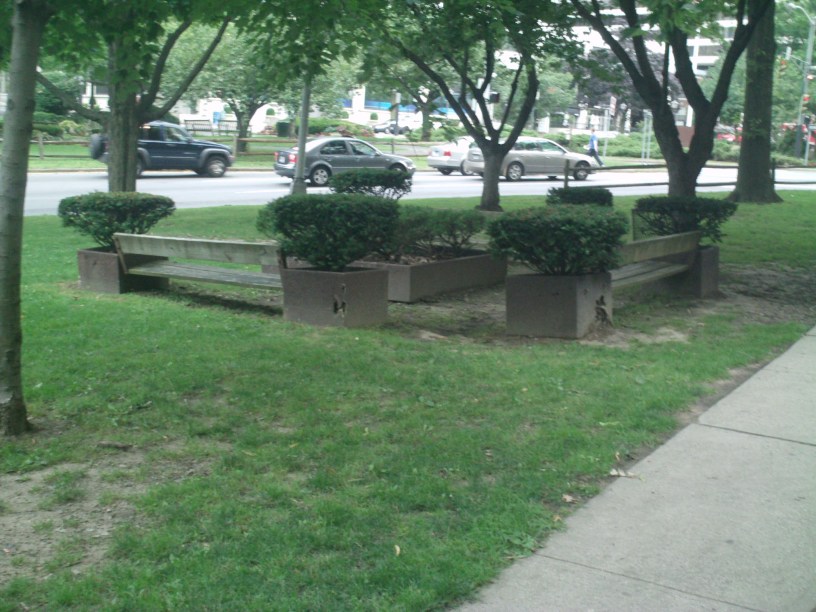
I rededicated the memorial to honor my father who died on September 11, 2013. He was 93 and lived most of his life in Yonkers, NY. I posted an entry on my blog you can read.
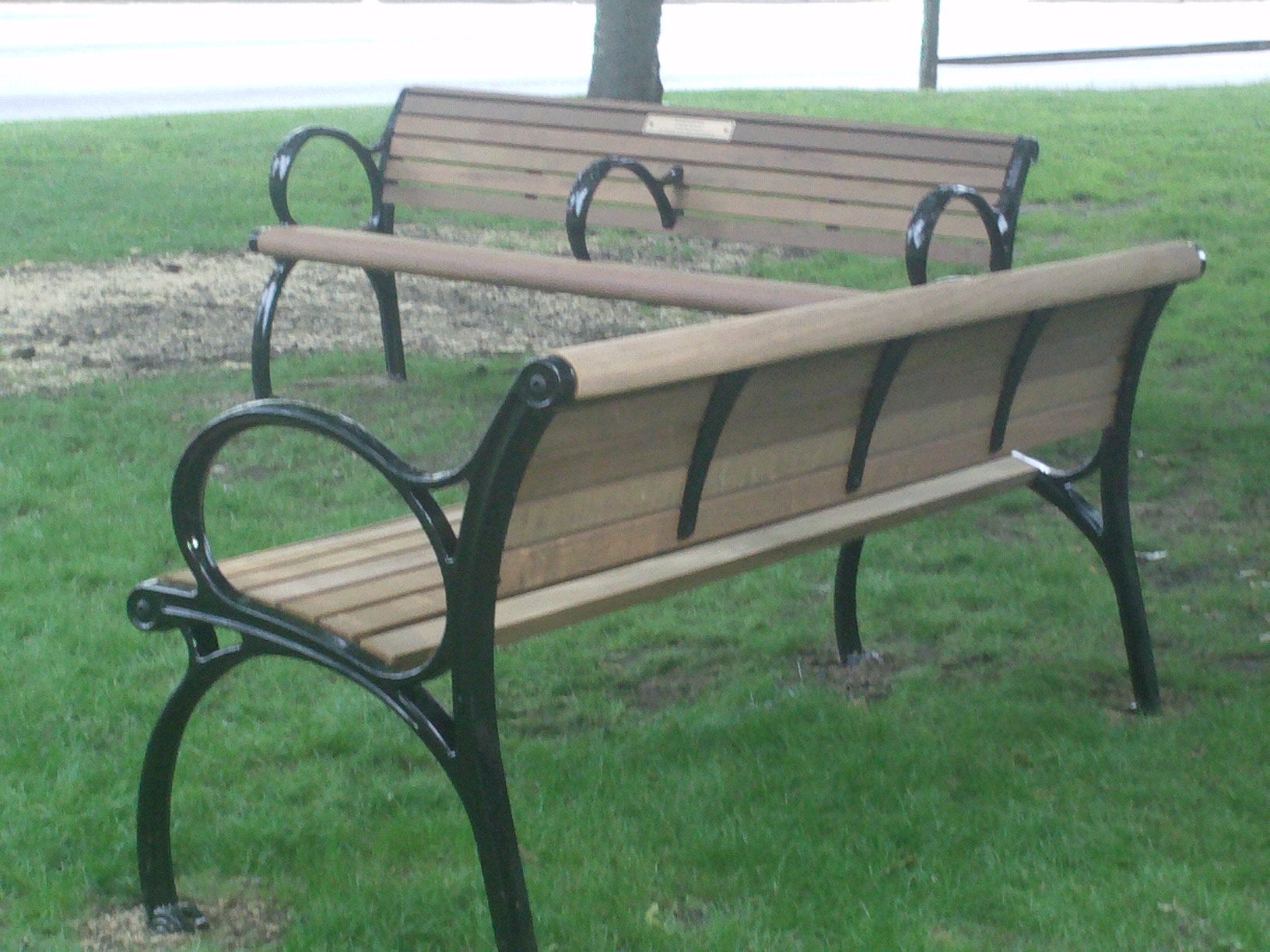
Still waiting for plantings. City tossed plantings that had been there. The workers put the Amy Anderson plaque in a tree root. It is covered with dirt. Often garbage can goes on it. I put some small rocks/stones along with grass/flax seeds in dirt but only a little grass has grown by tree. Many cigarette butts around this area.


In 2018, City took plaque out of root and reinstalled in front of tree as I had envisioned from the start.


How I Got Addicted to Asian TV/Movies and Comics and How You Can Too
My addiction (a healthy one) to Asian Television/Movies began during the 2007/8 writers’ strike. In search of something new, I began watching classic British films on youtube.com. Listed beside the film parts were some Asian selections that came with English subtitles. After trying one, I got interested in viewing more.
After doing a search by specific titles, I came across websites that had links to Asian TV/movies. I most enjoyed the Japanese shows and even started reading the Manga that some of the shows were based on. There are also a number of websites that have the comic series and Amazon/E-Bay started to sell some of my favorite titles(like Nana). I am not much a fan of Chinese shows ( from Taiwan, Hong Kong or Mainland China)because of the female voices which I think are dubbed and the quickness of the dialog that was too fast to follow along with the subtitles. I also found some of the (South) Korean programs quite entertaining.
Most of the TV dramas run for a number of episodes before the series ends. Occasionally, a series continues for a new season and some have specials that follow but most come to a conclusion after one run. Some of the new seasons have different characters. At first, many of the sites had no commercials but some of those sites (like mysoju.com) are no longer available. Now, even Hulu.com has Korean dramas available. Korean shows are usually longer with 16 to 20 episodes while the Japanese shows are shorter with about 9 to 12 episodes. Many of the Korean shows are “melodramas” but this has been changing. The Korean movies are very inventive and some are so good that they have been redone for an American audience. One example of this is the South Korean film, “II Mare” which was remade into “The Lake House.” A number of Japanese dramas have been remade by South Korea. The Japanese drama “Antique” was remade by the Koreans into a movie also named “Antique Bakery.” The Manga series of the same name is also worth reading.
Many of the Korean Dramas and movies have common elements (i.e. putting hands in a partner’s pocket, kneeling and bowing to apologize, a pouring rain scene funerals scenes, and characters being carried on someone’s back after getting drunk or sick), handsome leading men and women (usually under 40) while the Japanese shows are more reflective of the Japanese society with a realistic looking cast. Of course, the Japanese leading men and women are usually gorgeous and under 40 but there are usually many other characters that are more reflective of the real Japanese society. The oldest actors/actresses also seem to be in many of the series. There are few fat people (though this is changing) and the actors/actresses that come from outside of Asian seem to come from the same “pool” playing different bit parts in all the dramas.
There are many shows with similar themes about family, food, schools, hospitals, crime, and gangsters. And, then there are the historical themed dramas which I don’t usual watch. The movies are much different than the TV dramas and in many ways resemble the western style with more action, violence and sex. Some of the horror and science fiction shows are quite scary.
I have checked many of the things being portrayed online to see how realistic the dramas are to the real culture. I have some interesting things about South Korea and Japan. There has been a lot of changes in both countries and the TV/Movies reflect many of these changes.
Some of the dramas and TV shows I have enjoyed are the following:
II Mare (Korean Movie)
Antique Bakery (Korean Movie)
A Love to Kill (Korean Drama)
Attic Cat (Korean Drama)
Oohlala Couple (Korean Drama that is really funny)
Gourmet (Korean Drama)
Pasta (Korean Drama)
Antique (Japanese Drama)
Anego (Japanese Drama)
Abarenbo Mama (Japanese Drama)
Around 40 (Japanese Drama)
Remote (Japanese Drama)
Nana (Japanese Movie)
Absolute Boyfriend (Japanese Drama)
Asunaro hakusho (Japanese Drama)
At Home Dad (Japanese Drama)
Atami no Sousakan (Japanese Drama)
Ataru (Japanese Drama)
Baby and Me (Korean Movie)
Bartender (Japanese Drama)
Bitter Sugar (Japanese Drama)
Bloody Monday and Season 2 (Japanese Drama)
Blue Bird (Japanese Drama)
Boss and Boss 2 (Japanese Drama)
Brother Beat (Japanese Drama)
Change (Japanese Drama)
Coffee Prince (Korean Drama)
Fashion King (Korean Drama)
I’m a Cyborg but That’s Ok (Korean Movie)
Iryu Team Medical Dragon, 2 and 3 (Japanese Drama)
Death Note, Death Note 2 and 3(Japanese Movies)
Densha Otoko (Japanese Movie and Drama)
Freeter, Ie o Kau (Japanese Drama)
Enjoy!
White Plains, NY: A City of Contrasts
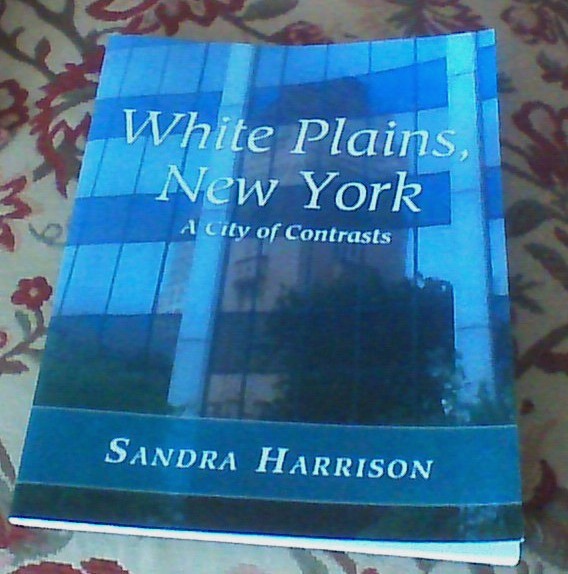
Entry is updated version of 1st 3 sections of White Plains, New York: A City of Contrasts published in 2013.
Remaining updated versions of the book can be found under different titles listed at the end of this entry.
Original Book (soft cover & e-book) is for sale with online venders. Facebook page for book under this title is also maintained by author and gives related info:


CONTRASTS: Today a modern suburb of New York City, White Plains (WP) is best known for its shopping centers, courts & services. Many come for work, study and entertainment. WP has an “urban” vibe offering services usually only available to much larger cities.
In contrast, WP played an important part in the American Revolution. Here NY became an independent state in the summer of 1776 and then in a few months’ time the setting for a standoff between the American Continental Army & the British Empire. Had things not gone as they did, America’s dream of independence might have been lost.
Throughout the city, one can still find remnants from earlier times. Many older structures have been repurposed for a purpose completely different from their original use.

BEGINNINGS: During the early 17th century, WP was home to members of the Weckquaeskeck tribe of the Mohican Nation. Evidence shows settlements on Fisher Hill. Natives referred to the area as Quarropas, which has been translated to mean “white marches” or “plains of white.”
Perhaps the best explanation for the city’s name is that there were once numerous wetlands on which a heavy white mist would often linger. Even though many of these wetlands are gone, mists still hover over the city where the tops of skyscrapers disappear. There is another explanation concerning groves of white balsam but John Rösch dismissed this since there were no traces of the plant by 1874.

A number of old trails used by early inhabitants would become some of WP’s first roads. A number of streets still have Native American origins. Quarropas St is in the business district (BD). Nosband, Shapham and Orawaupum Avenues were named after sachems (tribal chiefs). Kensico , which is used for a number of streets, comes from the English spelling of Chief Cockenseco.
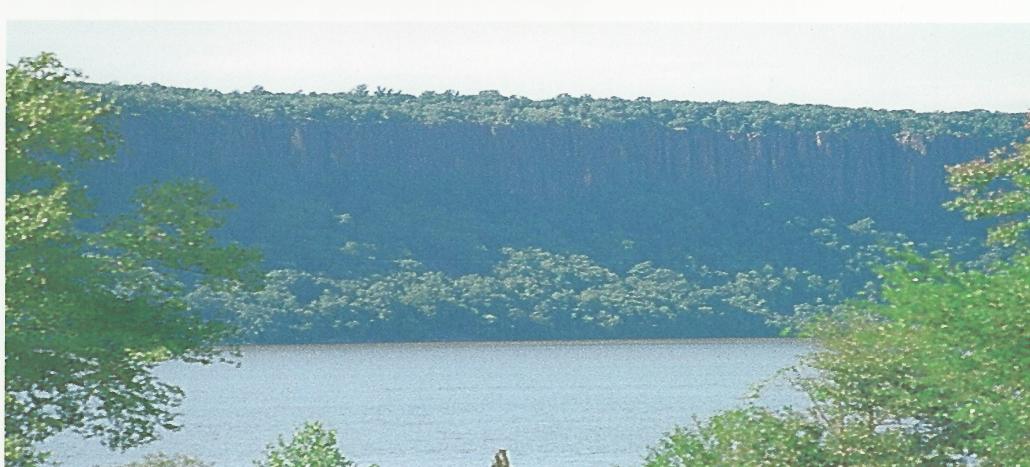
The Dutch, who came to North America following Henry Hudson’s explorations of 1609, set up trading posts, towns and forts along the Hudson River as far north as Albany. The colony of New Netherland was established with New Amsterdam as its center. Due to the high demand for furs in Europe, the colony flourished.
In 1644, the British took control of the Dutch colony renaming it NY after James II, the Duke of York and Albany. The Dutch retook the area briefly in 1673 but this ended in 1674 with the end of the Third Anglo-Dutch War. In 1683, NY was divided into twelve counties of which Westchester was one; the Bronx was part of it. People who came to the county found an abundance of forests filled with trees, wildlife, fertile lands and rocks that were readily available for trade, farming and building. Traders who came to the WP area referred to it as “White Plains.”
Settlers came to the colony during Dutch rule from all over Europe including Scandinavia, Germany, France and Belgium. French Huguenots and Jews came seeking freedom, while Africans were brought as slaves. Under British rule this tradition continued and was part of an agreement made with the Dutch avoiding a hostile takeover. Conflicts though with Native Americans often resulted in violence. Mural taken in Yonkers, NY around 2012 that depicted the meeting between Hudson and Natives of Manhattan (Lenape Tribe).

PURCHASE OF WP & COLONIAL TIMES:
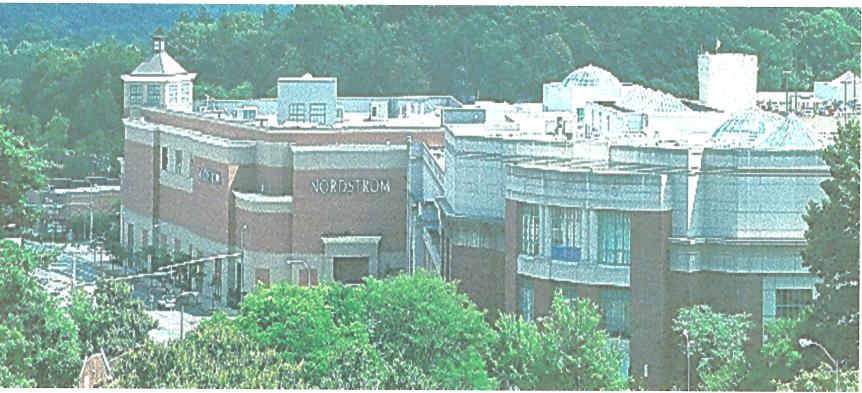
On November 22, 1683, a group of Puritans from Rye bought 4,435 acres of land from the Weckquaeskeck and Siwanoy people. Sale took place alongside a lake in the area where The Westchester Mall is located. On the day of the purchase, WP was considered part of CT and then six days later after a boundary settlement, WP was part of NY.
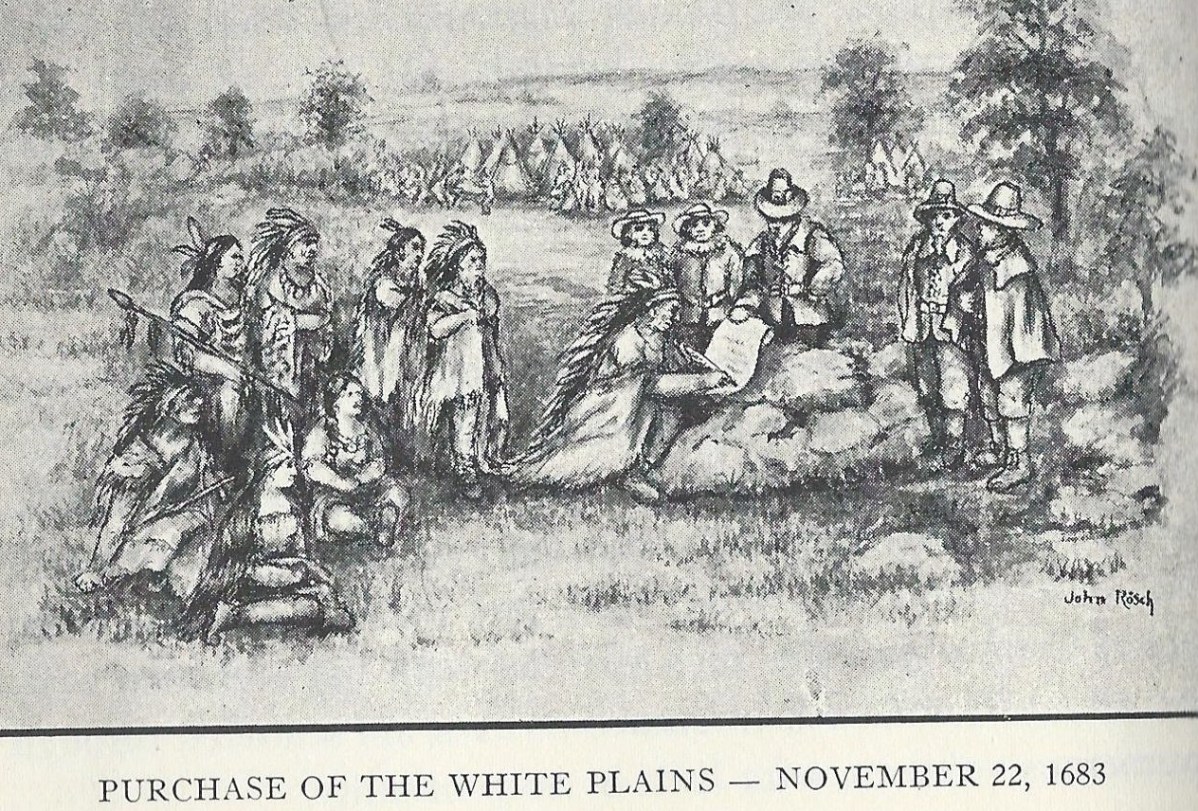
Drawing “Purchase of the White Plains”) by John Rösch (former City historian) illustrates the purchase; is hung in WP City Clerk’s office at City Hall. WP Public Library has a photograph in their digital collection that one can access online that shows the rocks depicted in the drawing. Obviously, there are some historic depictions of Native Americans that are inaccurate in the drawing, but this is what was known at the time about native Americans during Rösch’s time. The Native Americans depicted are more like those in the mid-west (teepees and clothing) or the “plains.”
Soon after the purchase, John Richbell of Mamaroneck made a claim to the same land claiming that WP was part of a much larger purchase he made in 1661 with different Native tribes. John Richbell sent surveyors to the area, but they were driven off. After Richbell’s death in 1684, his claim was sold to Colonel Caleb Heathcoat of Scarsdale but he too failed to reclaim the land before his death in 1706. WP settlers petitioned the Governor of the NY Colony to grant them a royal patent that would give them the rights to the land, but it was not till 1721 that a royal decree was made. The city, though, did not forget John Richbell naming a street after him.
The settlers came from Rye by way of an Indian trail. This road appears on early maps as the “Road to Rye,” but in 1708 it was called “Queen’s Highway” named for Queen Anne. Today, it is known as North Street (St). During colonial times, WP remained a village in the Town of Rye.
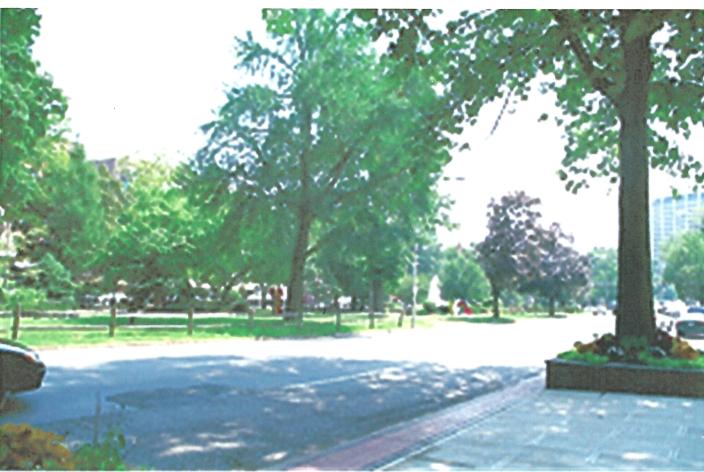
By 1697, the Village of WP was centered along another Indian trail where N & S Broadway are today. By 1734, it was referred to as “The Village Street.” Open space called “the Commons” was designated for residential use by the community. The commons became the center of Broadway and then Broadway Park. In 1898, Charles Tibbits, a community member, founded WP Village Park Association to improve the park that would later be renamed in his honor.
Running through the park, is the Heritage trail with red & blue markers was created by the WP Monument Committee established in 1958; is now sponsored by the WP Historical Society. It is linked to Google maps at whiteplainshistory.org. An original map of the trail that includes different areas can be found on the Town of Harrison’s website (harrison-ny.gov).

Monuments in the park include the Civil War Statue, Christopher Columbus Statue, and the gun for WWI.


In 2009, the routes used by Generals George Washington & Jean-Baptiste Donation de Vimeur, Comte de Rochambeau (of France) during the later part of the Revolution were designated as a National Historic Trail. In 2016 makers were placed in Tibbits Park marking the route that comes through WP. Information about this trail can be found at the website nps.gov/warp/index.htm. Markers like these can be found elsewhere in the area along the route.

………………………..End Notes……………………………………
Other updated sections from book are: WP and the American Revolution and War Remembrances from the Battle of WP, Westchester County Seat and Government, Waterways in White Plains, WP’s 1st Village St, WP Older Houses, Historic Traces in WP BD, Houses of Worship, WP Schools History, Buried in WP, WP Quarry & Farms, WP Historic Businesses & Organizations, Memorials in WP & WP Hospitals. Sources for book are listed in a separate entry Sources for Further Study of WP.
Other entries about WP (not found in the book) can be found on this website are: Demographics in White Plains, What’s in a Name: The Bar Building, Battle of WP video, Art in WP, The Arts in White Plains: Past and Present, Seeking History One Foot at a time: WP’s Walking Tours, where is the Mamaroneck River in WP, What’s in a name? Bloomingdale Rd vs Bloomingdale’s, Presidents in WP, Martine Ave, Coloring for Adults: WP Photos, WP Neighborhoods, Origin of Names of Places in WP, Transportation in WP, How Well Do You Know WP?, Parking in WP, and Washington-Rochambeau Revolutionary Route National Historic Trail as well as many others.
Saving the Gorilla
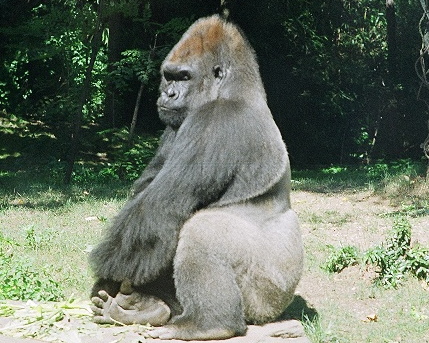
Article was written in 2009 and I published it in book with Lulu.com. I have copies if one wants one for children and/educational purposes.
Deep in the rainforests of Africa far away from civilization, the gorillas lived for thousands of years unknown to the outside world. It was not until the later part of the 1800’s when strange tales about these creatures reached the western world, that men came with guns. In a span of just over one hundred years, the gorilla has become one of the world’s most endangered species. In an effort to raise funds and awareness to the problems facing endangered species, the United Nations (UN) named 2009 the “Year of the Gorilla.”
Today, the number of gorillas left in the wild has been getting smaller at a faster rate. The cross river and the mountain gorilla are most in danger. Human activity is the main cause for the problem. The forests where the gorillas live are shrinking. Many of the people living in these areas are poor and after years of war, famine and disease have had little choice but to use the forests to survive. The forests are disappearing as foreign companies develop the land for logging, mining and farming. Hunting, poaching and the gorilla trade for live babies are increasing.
Gorillas naturally roam over large parts of the forests but as these areas get smaller, humans are living closer. Gorillas have been shot for eating crops. Tourists who bring money to the area increase the gorilla’s exposure to human diseases when they visit them in their natural habitat. Too much human contact can endanger gorillas by changing their defenses and gorillas die from human diseases.
Female gorillas do not have babies very often and many do not survive. As gorilla areas separate, mature females have a harder time finding new groups to start families. Because gorillas defend their members when attacked, entire groups of gorillas are killed by those trying to capture one infant.
Gorillas play an important part in the ecosystem. They move from place to place to avoid stripping an area of its plant life. Gorilla droppings contain undigested seeds that grow into new plants. Gorilla pathways are used by other animals. Broken branches, fruit and peel droppings left behind by gorillas are eaten by smaller animals. Gorillas do not hunt other animals and are rarely attacked by other wildlife.
As the forests shrink, natural resources are being replaced by air, land and water pollution. Climate changes have brought drought to some areas and flooding to others. Medicines made from forest plants are disappearing. Humans are endangering themselves by destroying the diverse ecosystem that they need. People all over the world have already been experiencing some of its effects.
But is the gorilla worth the cost of saving them? Many of the Africans living near the gorillas are struggling and their countries have a right to use the forests as they wish. Without the forests will the lives of the people improve? The future of the gorilla is now in the hands of the people who created the problem. If the gorilla is to have a chance of surviving, it is up to these people to work together in finding solutions to the problem.
If you wish to learn more about gorillas or other endangered species visit your local library. There are many websites on the subject and TV programs and movies you can watch. Join a conservation group or visit a zoo to find out more. Share what you learn and try to be a wise consumer. Support companies that sponsor conservation, preserve and sustain the forests. Recycle, reuse and reduce environmental waste.
**The text here and pictures was reworked into the published Oct.29, 2014, Saving the Gorilla book with Lulu Publishing and is available for view and/or purchase at Lulu.com.
Sharing My Written Creations with Others: Overview
I have written a number of books, plays and student materials over the years that I would like to share with the public. At this time I don’t really want to publish them even though I did try. Two of the children’s picture books were written while I was in college. “It Began As a Dot” was created as part of a Reading Readiness Program I developed for a class I took during my Junior year at Southern Connecticut College (now a University)and I wrote “The King of Nowhere,” for a Graduate course I took at Long Island University. I also wrote a novel called “When Being Special Isn’t,” back in the 80’s which I changed from an adult novel to a teen story (by eliminating the teacher) about two teens receiving Special Education in a high school similar to the one I taught in.
I did write a Gorilla story for “Highlights Magazine.” but it was rejected. I even took pictures at the Bronx Zoo to go with the book as well as writing to the Zoo to get permission to use them. I could make the book into a children’s picture book.
I also started two plays, “Gertler’s Dilemma” (a drama with 2 actors) that takes place on the eve of the Mark Gertler’s (Jewish British artist) death (his final suicide attempt) and “Not Just An Independent Woman,” a musical about a woman who becomes a successful NYC journalist/writer and gives this up to marry and raise a family with an artist who lives on an island in the Caribbean.
I also have an idea for a play/book about a murder mystery involving the theft of a doll house that I would like to develop more.
I did take a class on web design and was hoping to put up works to get feed back and to make the finished words available for others to read and use. I am going to see how this site goes.
During the last 3 years, I have worked on a picture book on White Plains and have gotten snagged on the dates of events which I keep finding different from the different sources that I researched. I also took the photos. I led one walking tour with Westchester Trails (WTA) but did not get much interest for my efforts (4 showed up but not much interested in my talk and 2 left after first half hour). I even wrote a walking tour pamphlet to go with it. Did send an e-mail to White Plains Historic society but did not get a response about leading walking tours. The city recreation dept. wanted a proposal, resume and references to do tour so I gave up.
I also have written “What’s in a Name?” an activity for children using the places of White Plains.


How to Survive Teaching, When You’re Down and Out, But Not Ready to Quit Just Yet!
Posted on August 28, 2013 by sandraharrison1954
Leave a Comment
This idea came to me many years ago while I was still teaching. I did write some things down but I never did much with it. This is just some of the things I remember.
The teaching profession for me was a “calling” and I wanted to be a teacher from an early age. I remember that as a young child, I used to teach my brother and a neighbor in the back yard. They were some of my early “victims.”
When I was in high school I became interested in working with disabled children. A friend of my sister asked me to volunteer in a play group for children with brain injury. This is before LD (Learning Disability) was created. I not only got hooked but took over from my sister’s friend when she went to college in finding other volunteers to work with the children. I taught swimming and developed an activity involving movement and poetry.
I also went to Pinsly Day Camp in Tarrytown and as a teen I became a counselor. Of course, I did my fair share of babysitting “back when.” I started at 50 cents an hour. As the late Erma Bomback, stated women who did a lot of babysitting didn’t end up having children. This was the same with me. I knew what to expect and it was not something I planned for or could afford.
And, so I became a Special Ed. Teacher but instead of working in an elementary school, I spent most of my career working with teenagers and lots of them were very challenging. Teaching is a “thankless job.” Schools are not only blamed for what is wrong with our society but are expected to do something about it. When news about child abuse came out in a vengeance, schools then were required to report any evidence of this. Teachers now have to take courses on bullying. I actually kept a folder with the letters and cards I received over the years thanking me for helping children.
My biggest challenge was the teens who said they were going to kill themselves and then there were the pregnant teens who wanted my advice. I was fortunate I never saw any evidence of child abuse because I know some one who reported a child to the authorities and got a negative response from the mother of the child and the administration. The child was abusing himself by burning cigarettes into his own skin. I even had a student who turned her own parents into the authorities. We found out when the girl refused to take her finals (wanting to fail). She was being beaten when her grades went from A’s to B’s. Another teacher and I had been sending weekly reports home about how our students were doing to keep parents informed and to partner with us in helping the students improve. The other teacher and I were horrified to find this out. We had to reexamine the sending of weekly reports home which for most of our students were very helpful.
Being a teacher, one walks a difficult line and now after keeping my mouth shut for over 30 years, I am finding this all very therapeutic. Teachers do not have “freedom of speech” and one has to watch one’s behavior that can be considered “unbecoming of a teacher” under Education Law and one can get fired for something said in and out of the classroom. This was also the case in my personal life and living in the same community where I taught in had its challenges. Some students outside of school, were quite frightening when I happened to “bump into them” on the streets. I had one student scream my name and curse me out on the streets and one even made threatening comments. I was cursed at and called lots of horrible things but luckily I was never physically harmed. My life, home and even car was threaten by numerous students. Believe me, they knew where I lived and knew my car. Three teachers at WPHS had holes put in all four of their tires so they all went flat at about the same time. One teacher said they went flat on highway in NYC. There were always the threat of weapons including guns, knives and even a stick with nails coming out of it. I even had a student tell me he took a contract out on me. Students would ask me what I would do if they held a gun to my head or even shot me. These kids were not kidding either. We were “the enemy.” My students did not come to school to learn. They came for lunch, socializing with friends, sports and to have a good time. Where as a teacher, was I to fit into this world.
The kids at Yonkers Learning Center (which closed because a grant was not renewed) rioted back in 1977. This was scary with one kid busting the window in my door (one inch thick with wire in it) with his hand. My students ended up diving under the tables. It was really scary and the whole thing was instigated by a girl who came to the program instead of going to jail (stole a car) and was living in a group home next to the school. I taught Science and everything I tried to get for experiments went missing so I had to lock every up. One kid put marihauana seeds in the girl who stole a car’s peas she was growing for a biology project. She took the seedlings home during vacation and brought back the potted plants with marijuana growing better than the peas. She had “weeds” and the kid who planted the seeds was found out and his parents were called in and the director gave them the plants in a milk container filled with soil. The marijuana student also told me about how his neighbor would come home every Friday nightand leave the keys in the trunk of the car so he would go out driving with the car. I learned how to steal a car as well that year.
SO why would you still want to be as teacher after reading this? I really don’t know but there is having to work only 185 days a year, a good salary (in Westchester) and a pension. And, like I said, I had a “calling” and happen to have the skills. I was good at motivating and teaching students to go beyond the “disability” and succeed. Of course, I could not and no one can help every student. I figured if I could touch one student enough to make a change each year, it was worth it.
Some of the things I learned that were very helpful are the following:
1. Behavior Modification for class room control is difficult. I received training in college for this. The only one you can control is yourself, so if you change your own behavior you can change the behavior of others. Point and raise your finger and others will look in that direction. Ignoring someone is one of the greatest techniques but one has to expect the behavior you are targeting will get worse before it stops. Elementary kids are easier and when I was student teaching in Stamford Ct back in 1974, I used plastic chips to enforce good behavior. The children could then trade them in for little things they may want. I never used food but things like a ball or small toy. After a while just the clink of chip in cup would get a positive response.
2. Control of classroom (behavior) is important but one thing I learned in College: If what you are doing isn’t working, “Stop.” You need to access how you run your classroom and do something .It could be as simple as rearranging furniture, but if one shares a room with another teacher, this might not be possible. My students usually me a “honeymoon period,” a short time at the start of the year when they were cooperative and/or attentive but then would completely change. Be prepared to adjust.
3. Observe other teachers and ask them for advice. Ask others you trust to observe and make comments after. Listen.
4 . Less is more. Talk less. Project but do not shout. Soft calm talk gives you more control. Students have to be quiet to hear you. They need to do the work. Be an active listener.
Don’t react to a crazed student. Zip your mouth, walk to desk and record what is said. If the behavior doesn’t look like it is ending, call for help. Know your limits.
5. Act happy and enthusiastic. You will feel happier and motivate your students to succeed.
6. Never promise or threaten what you can’t do. “If you don’t stop, I’ll kick you out,” statements only work if you do this. So try, “If you don’t stop, I will.”
Share this: Sandy's Written Creations